
Step into a realm where monsters, misfits and magical beings leap off the walls—literally.
Every Wizard Bones woodcut wall hanging begins as an original hand-drawn illustration before being immortalised on hand cut and hand painted plywood and MDF panels. The result is a collection of bold creatures and curious characters that blur the line between folklore, fantasy and fever dream.
Whether you're after a goblin with a toothy grin, a terrifying swamp beast or a wide-eyed cryptid, each handcrafted piece brings unmistakable personality to your walls. These aren’t just wall decorations—they’re portals into dimensions where the bizarre is perfectly at home.
Make your walls pop!
Hand Cut
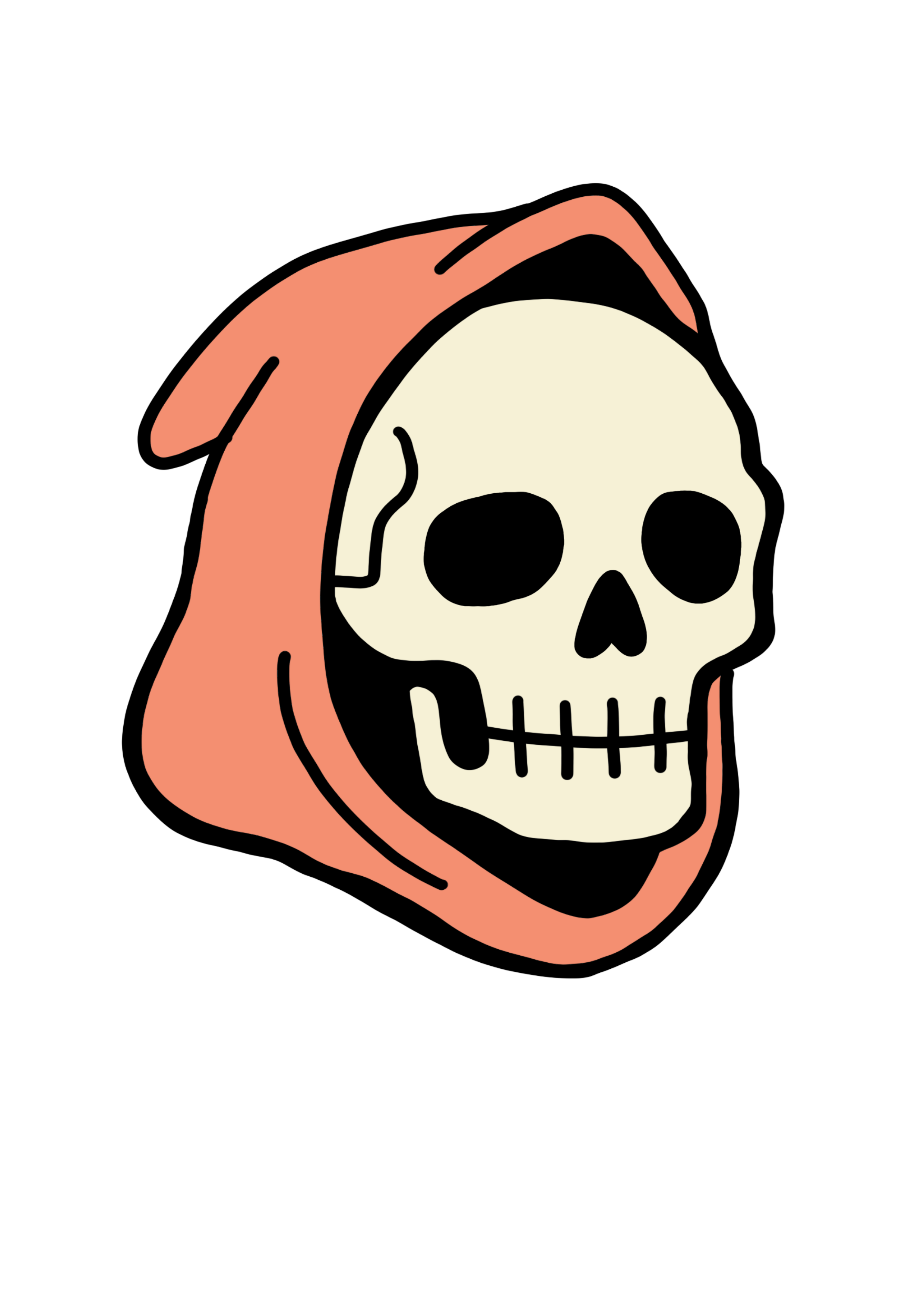
Hand Drawn
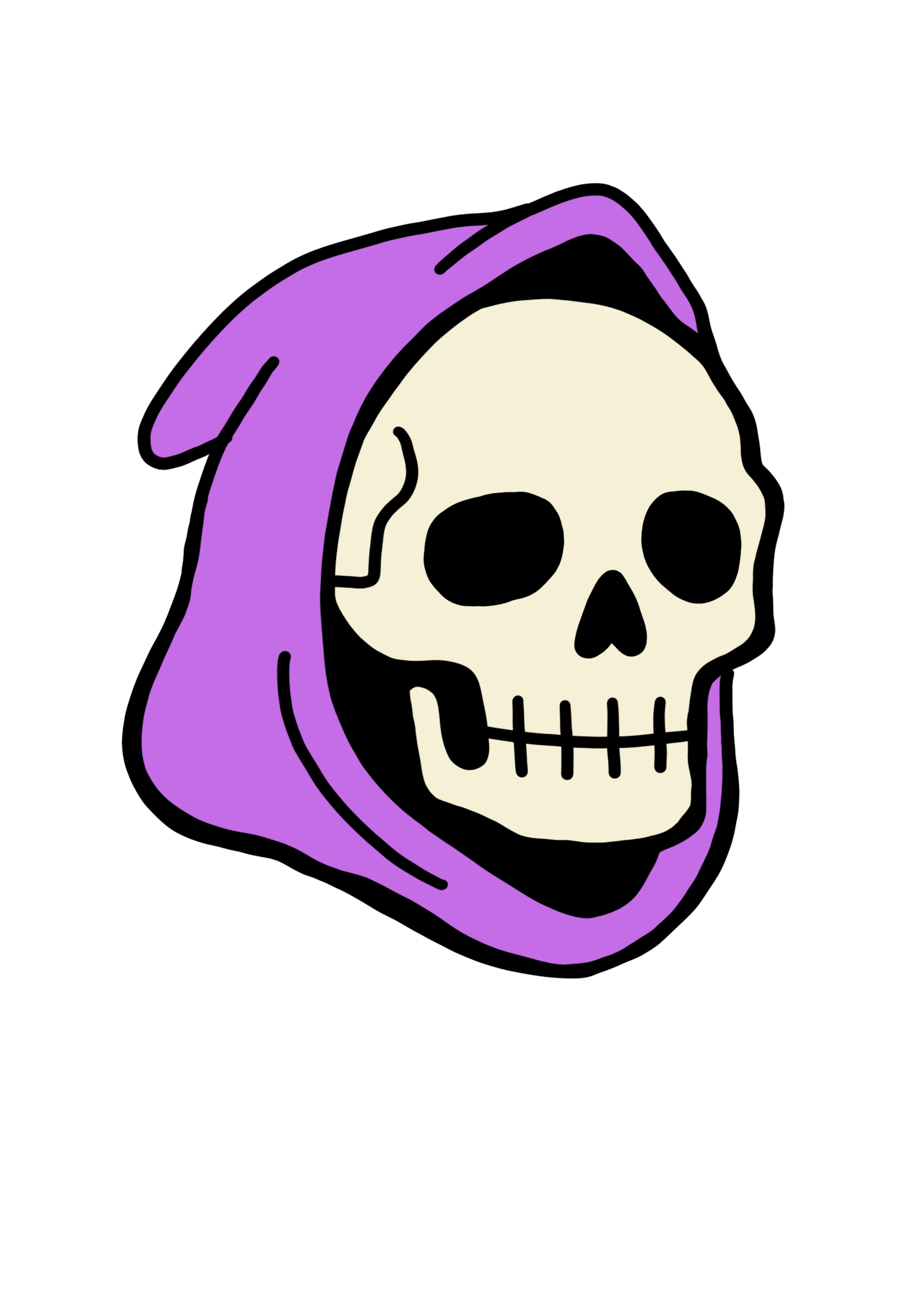
Hand Painted
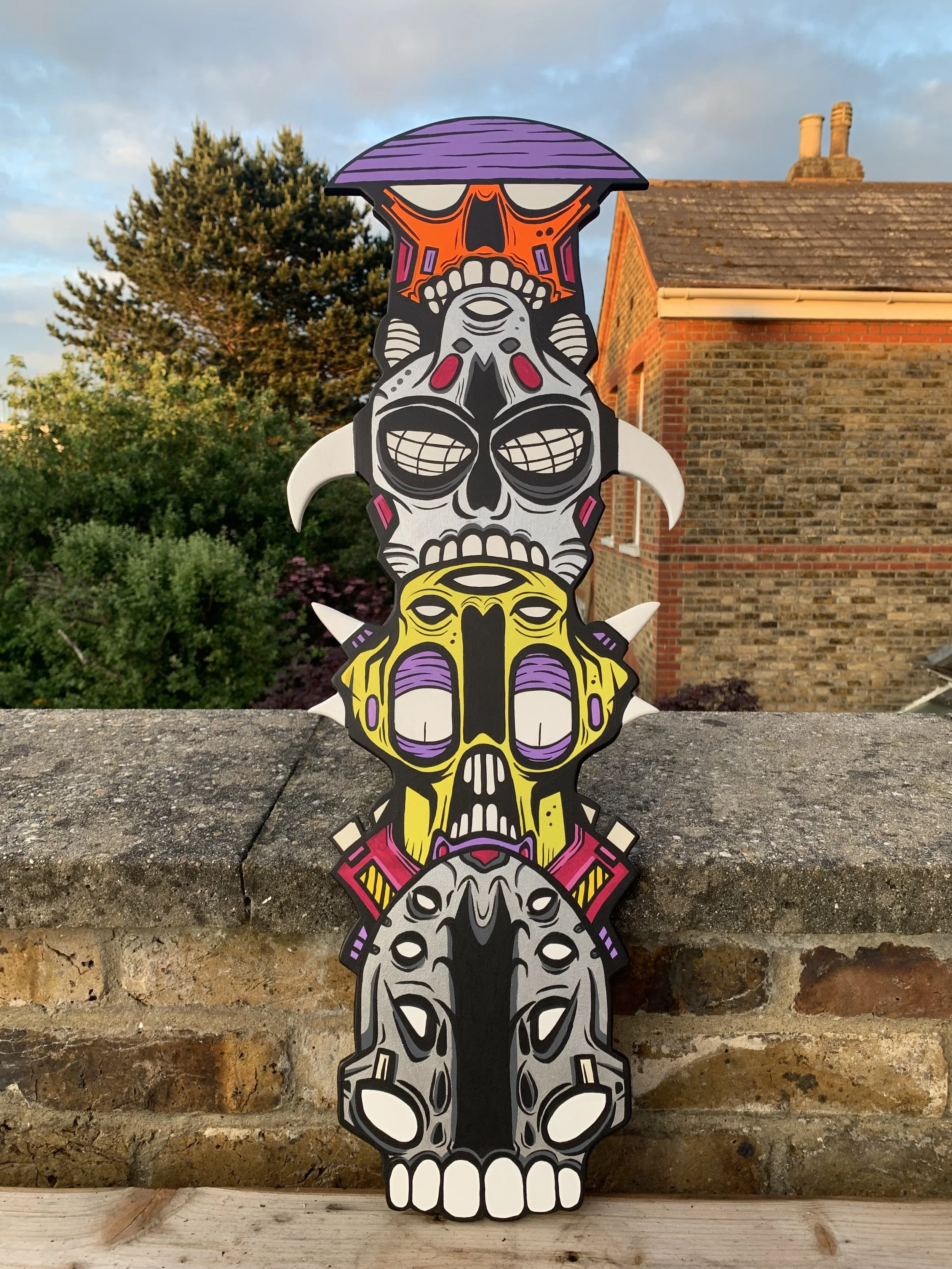
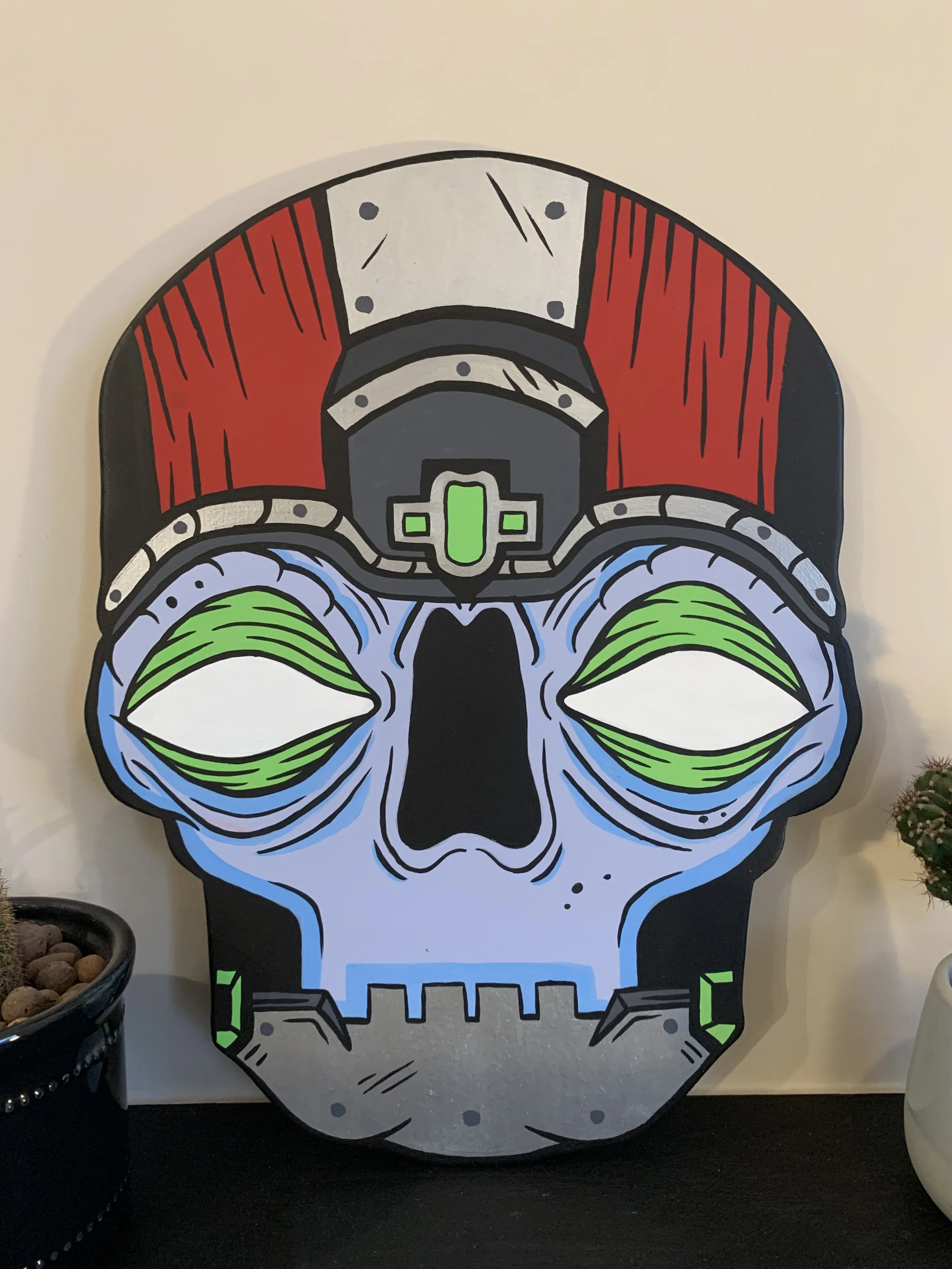
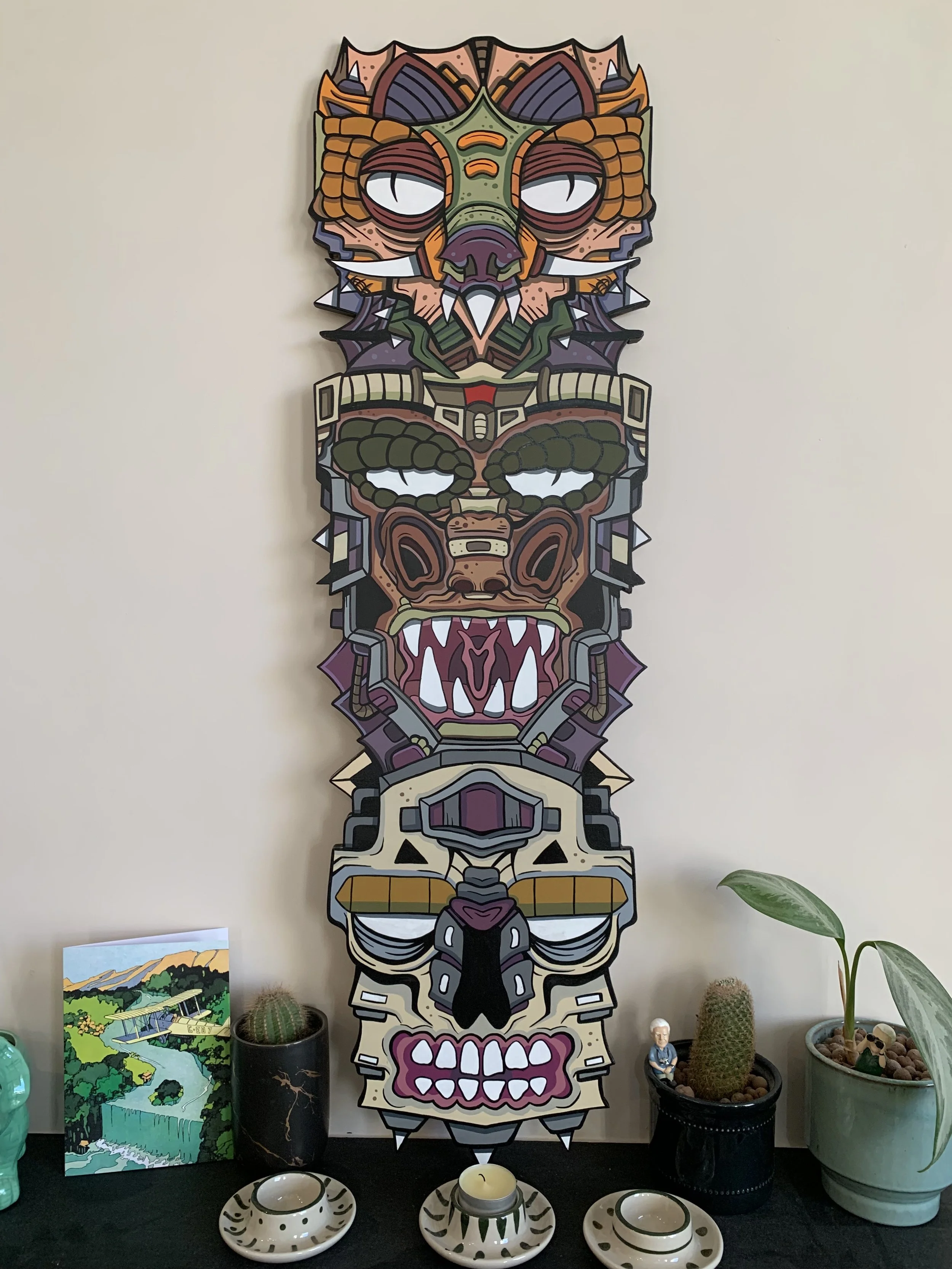
The Collection
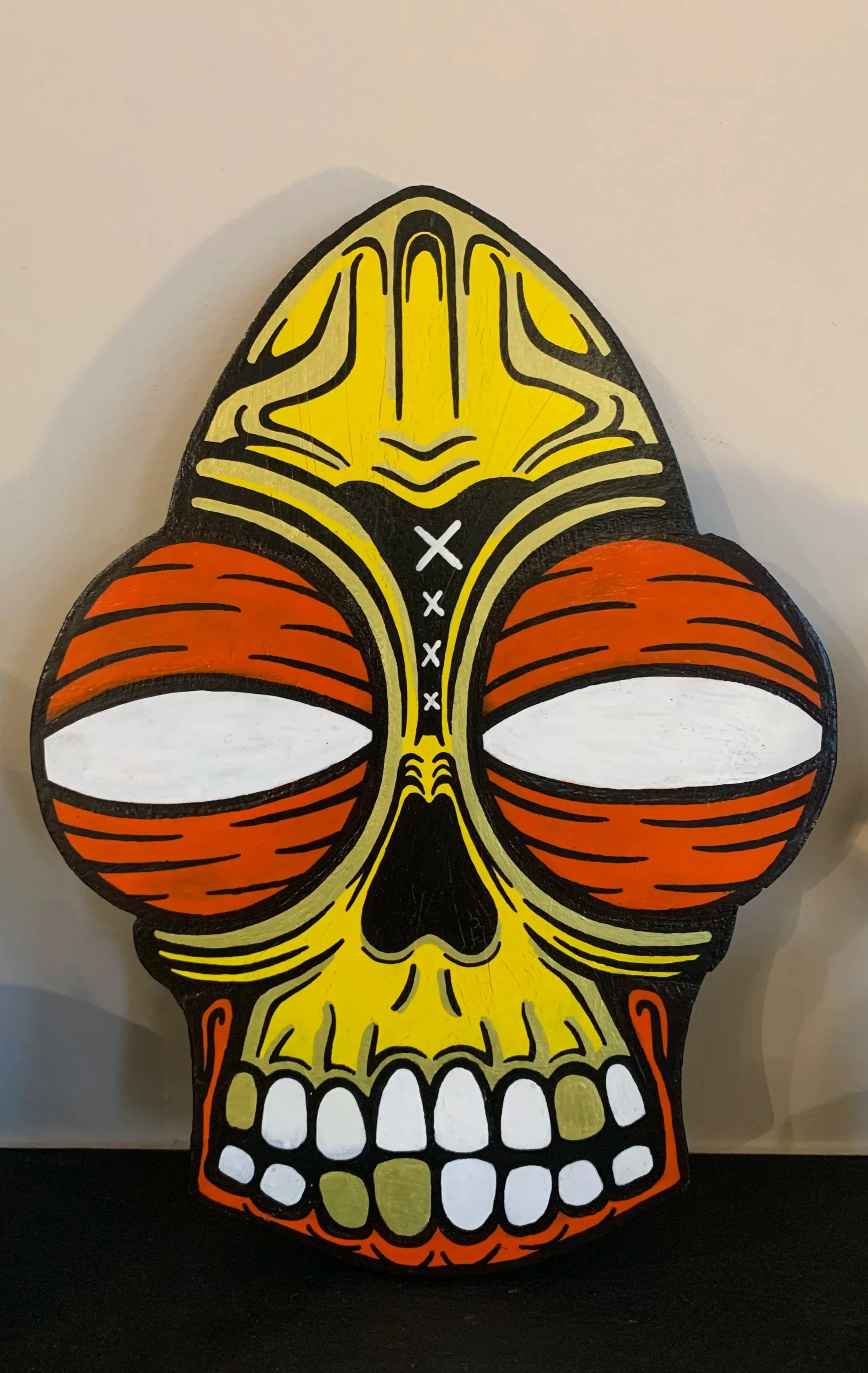
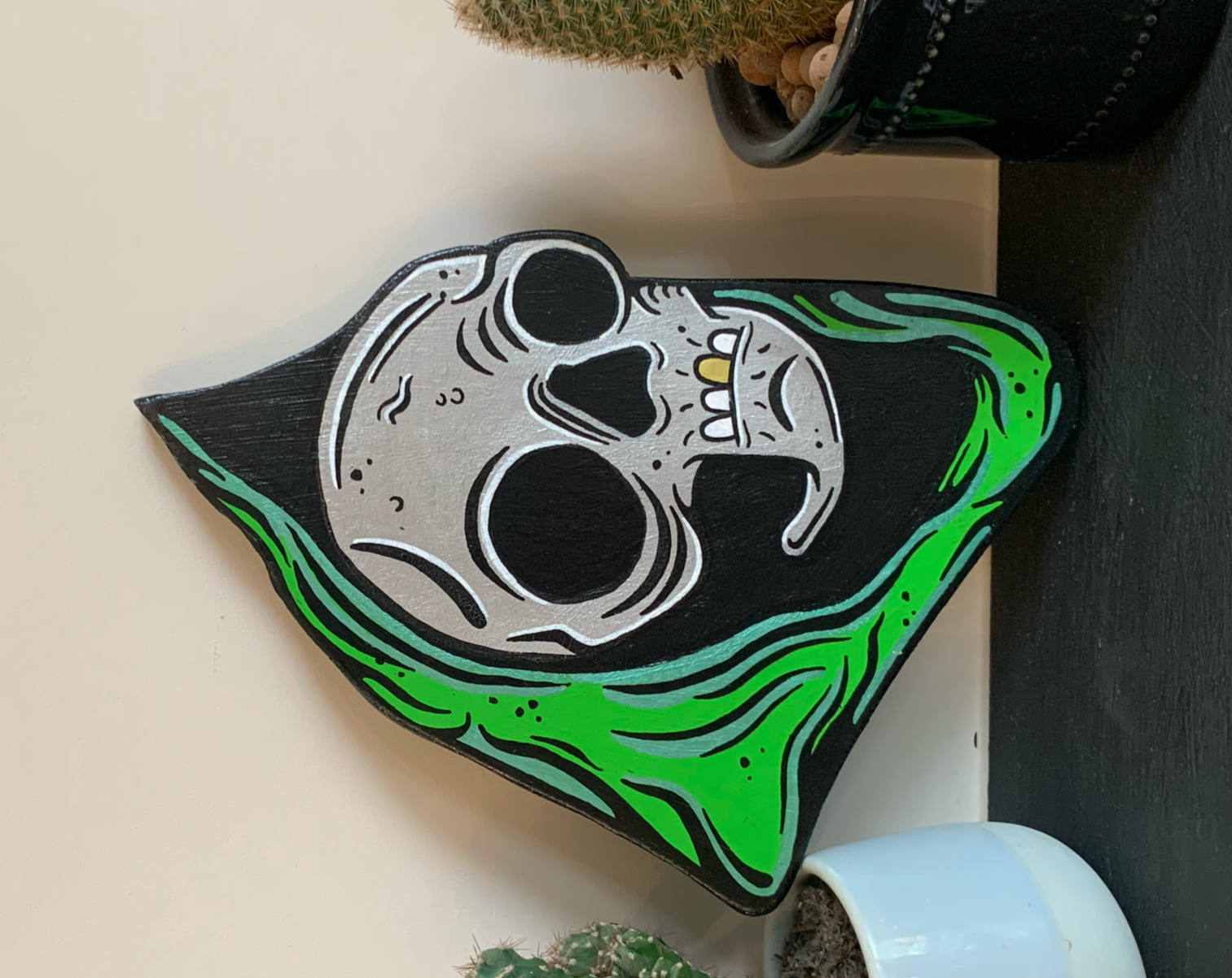
Behind the Scenes
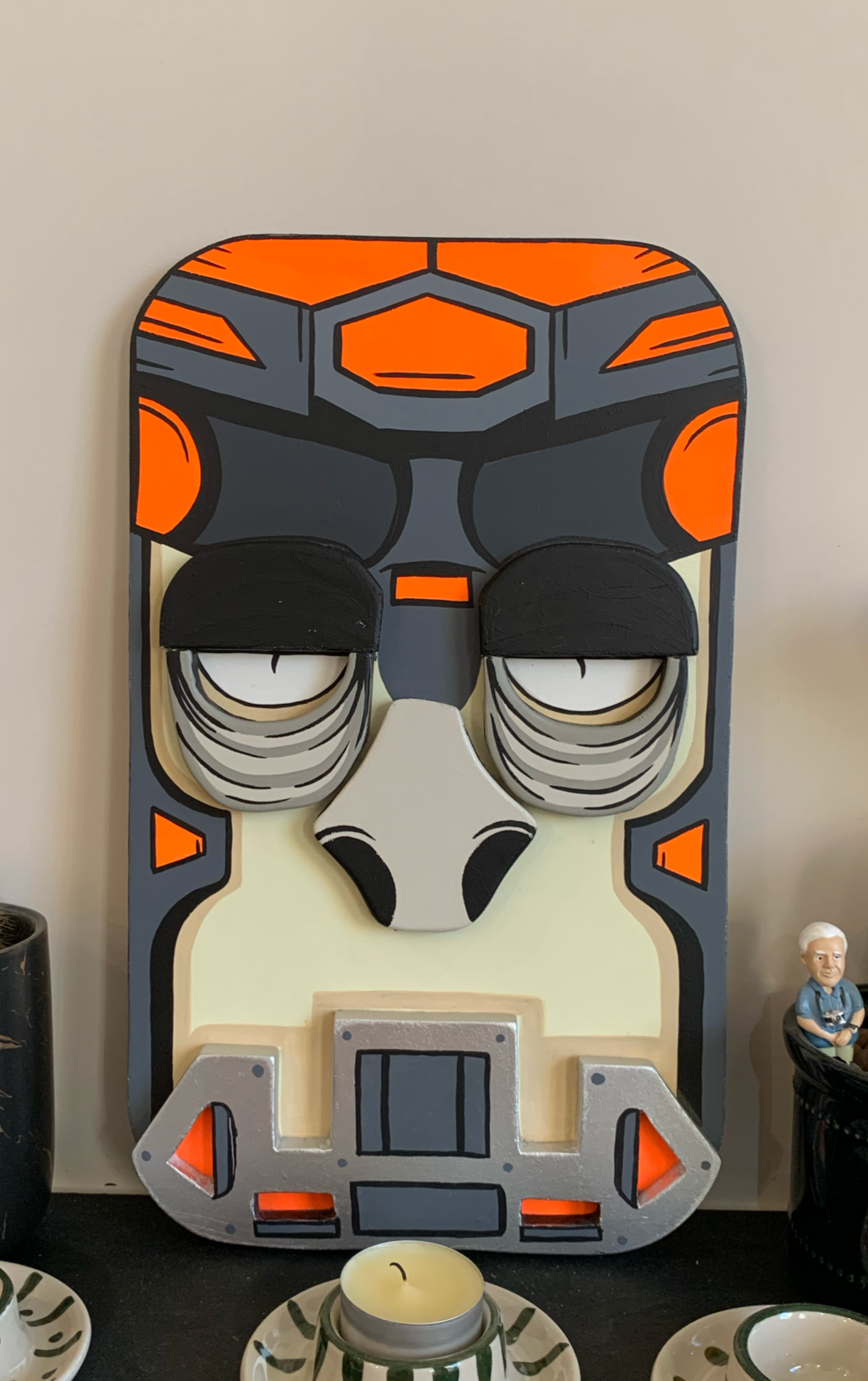
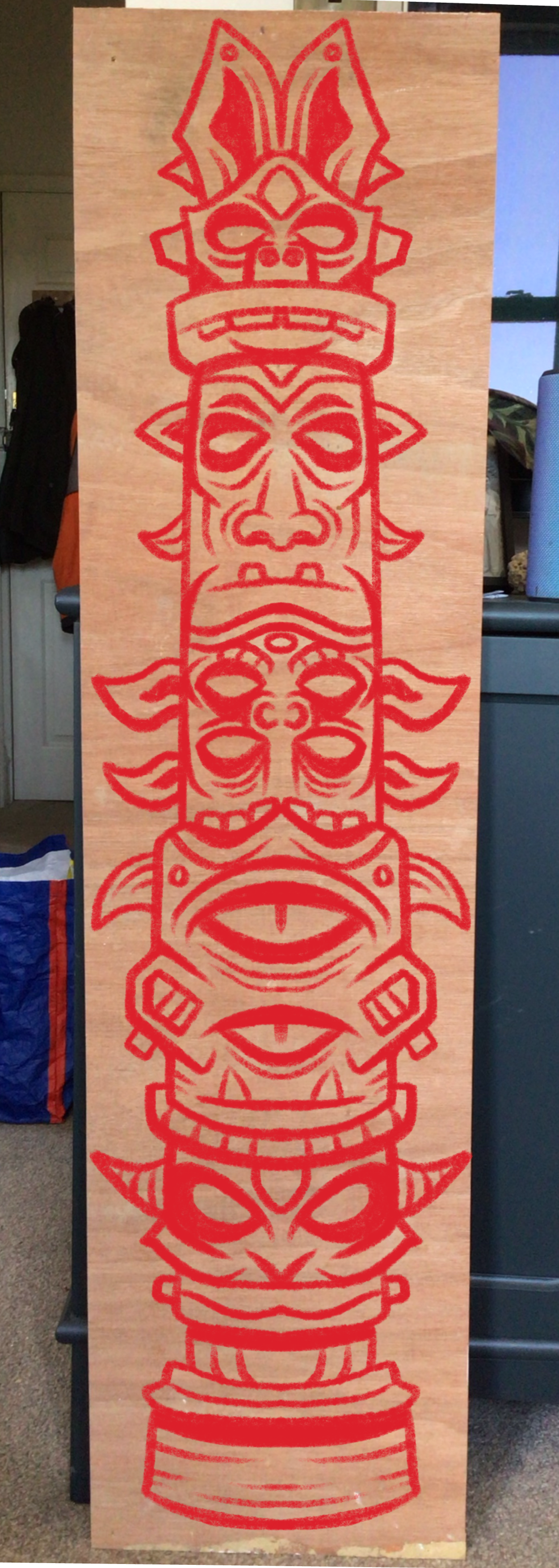
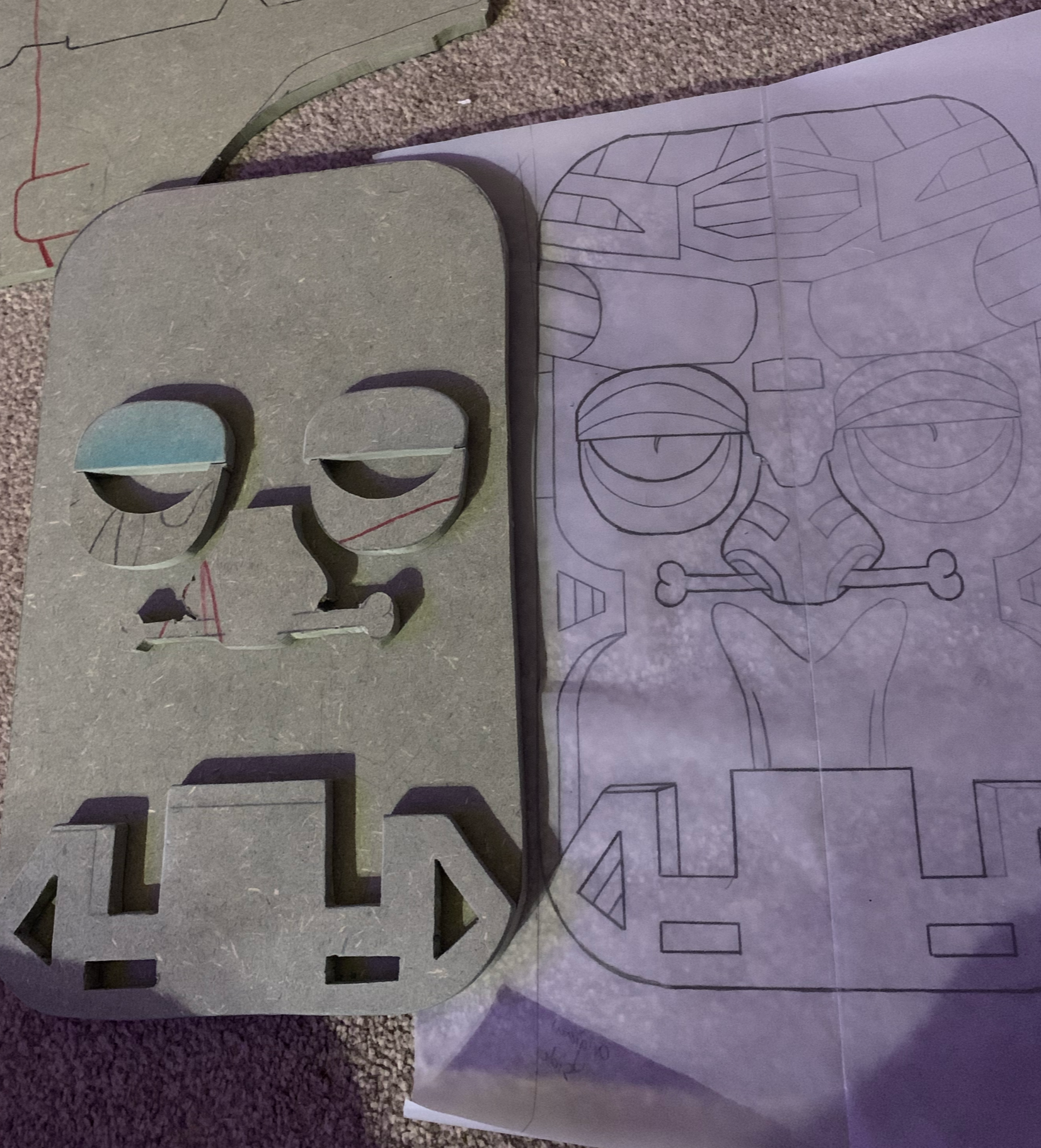
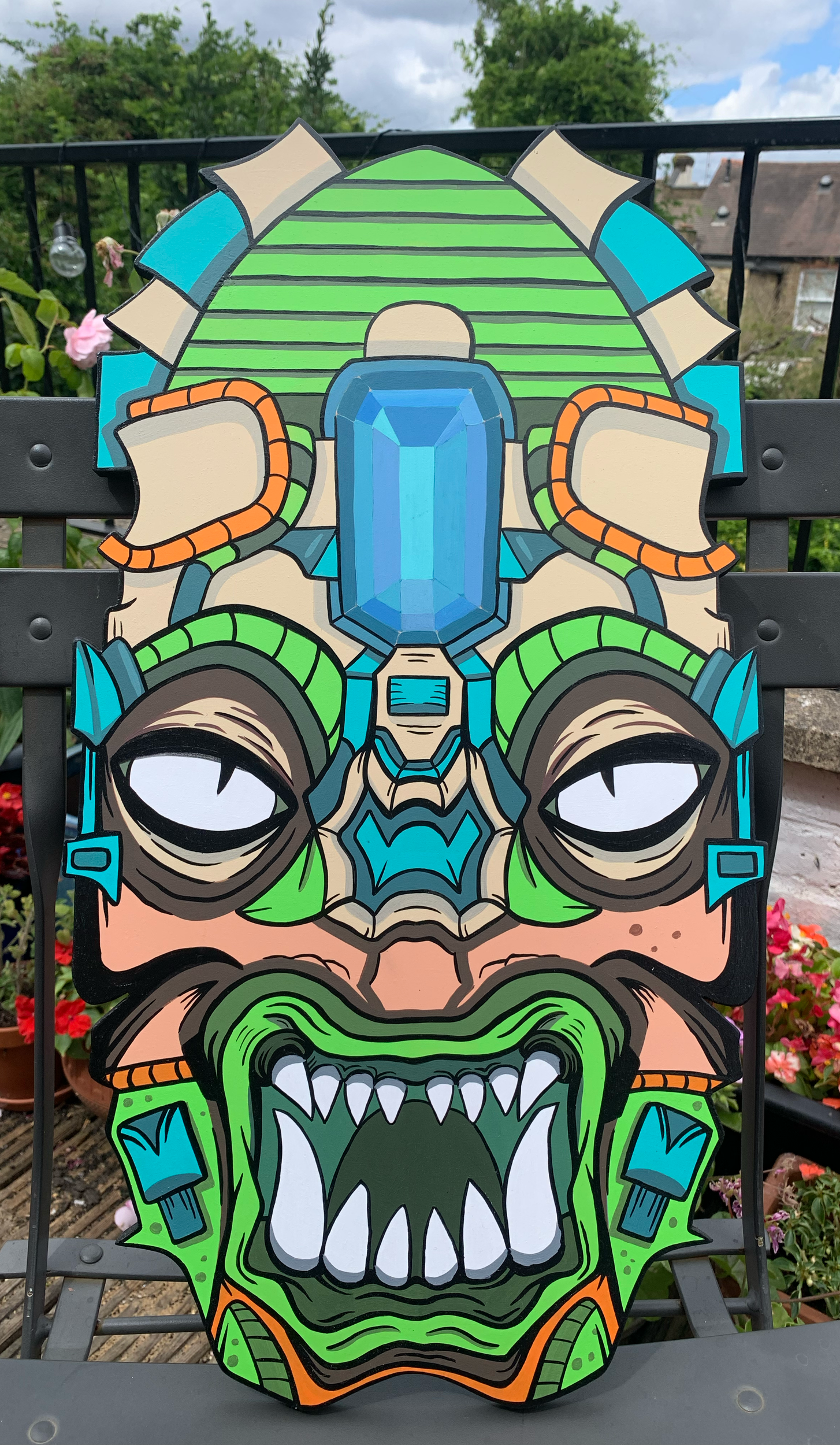
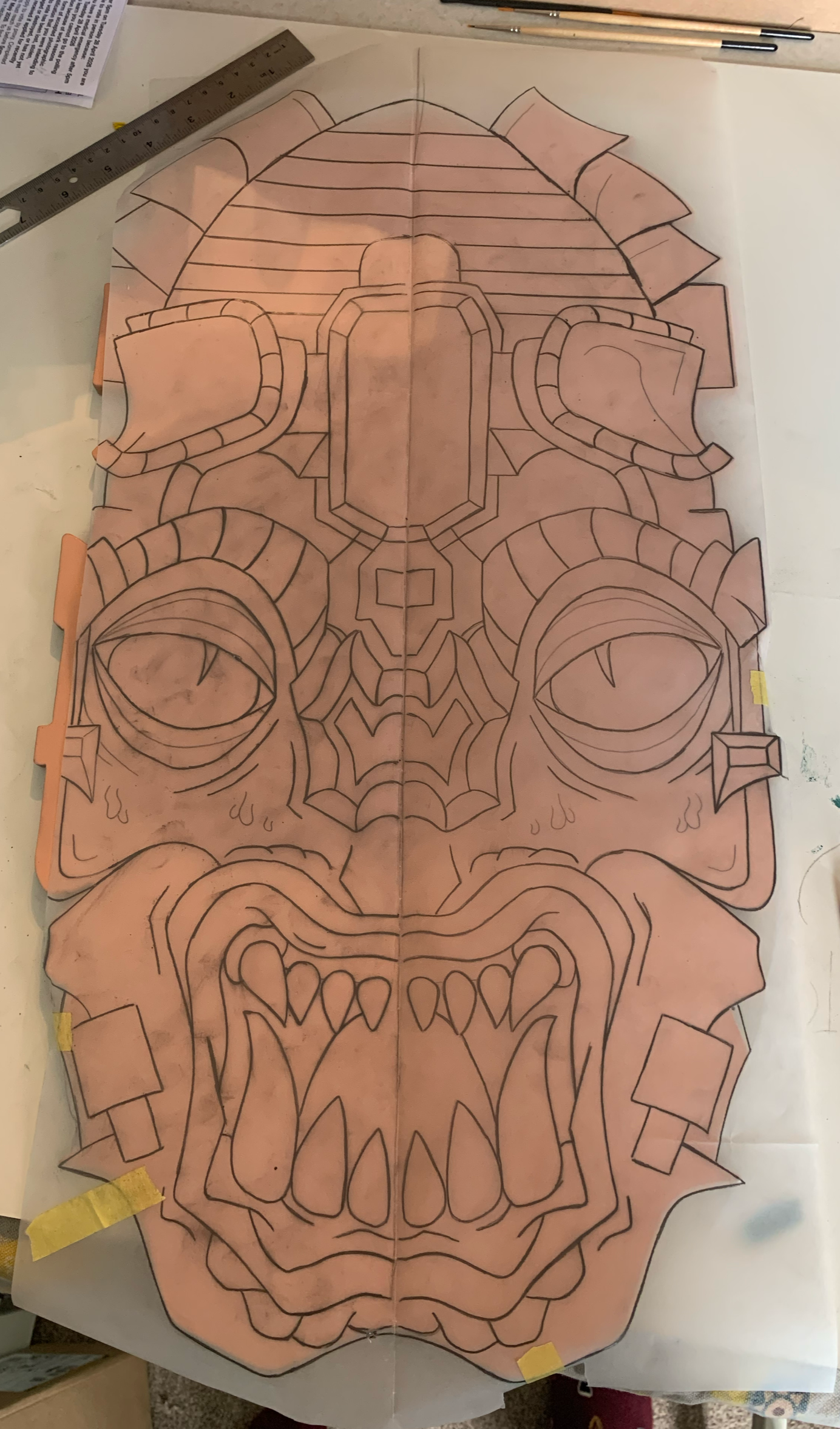
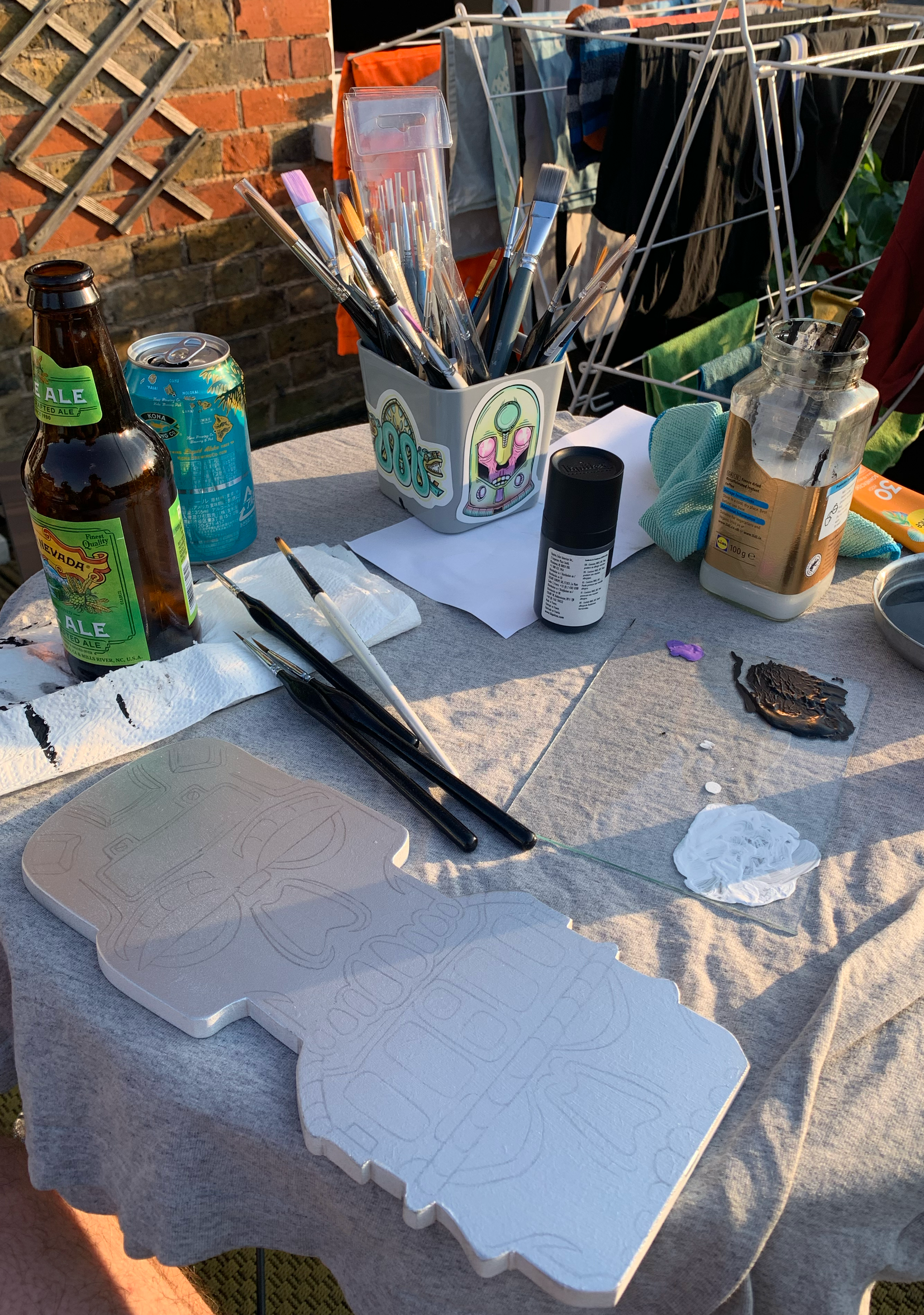
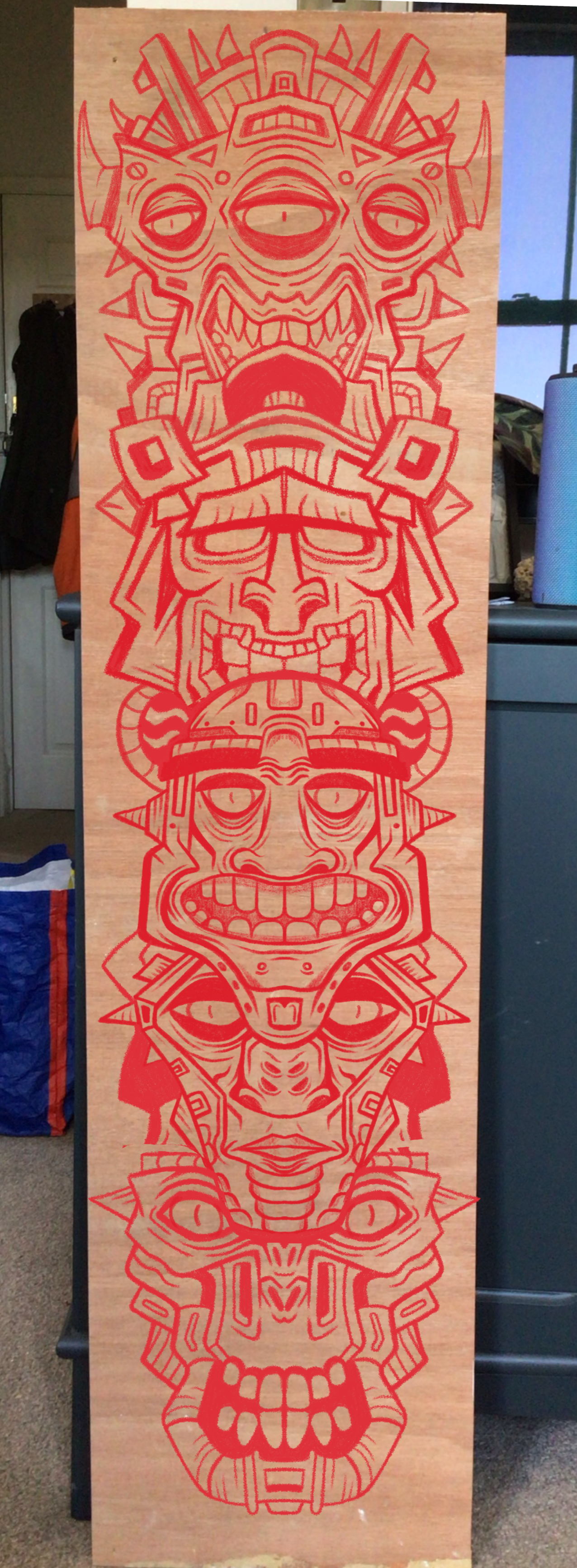
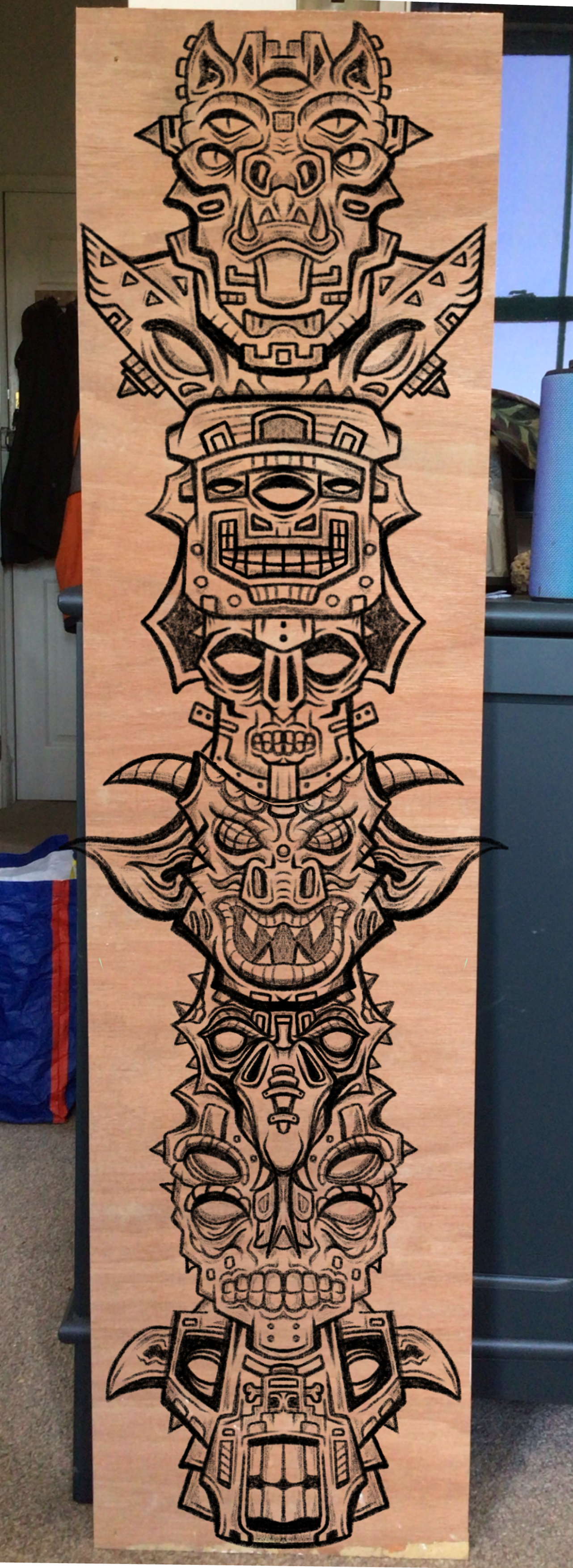
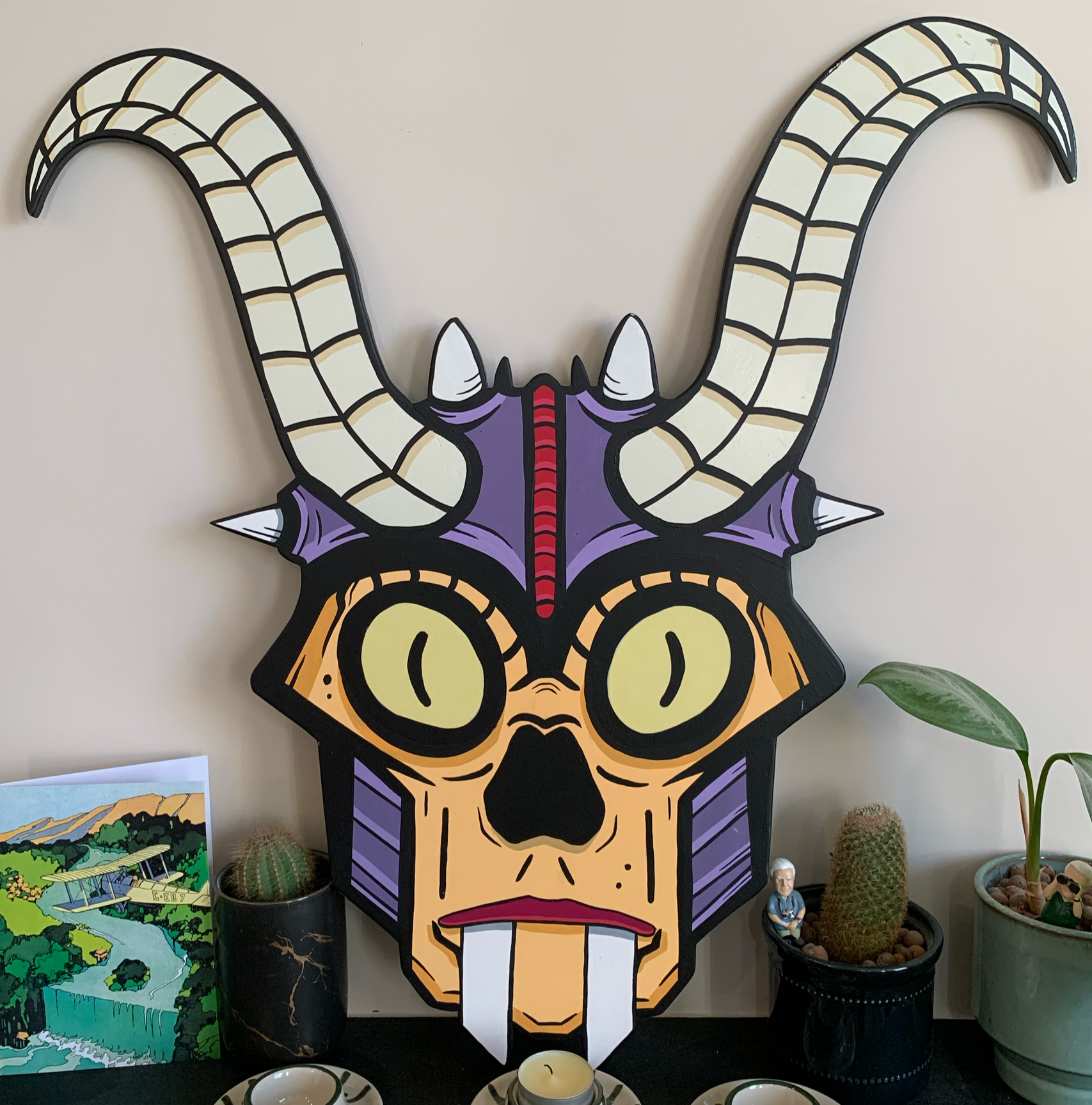
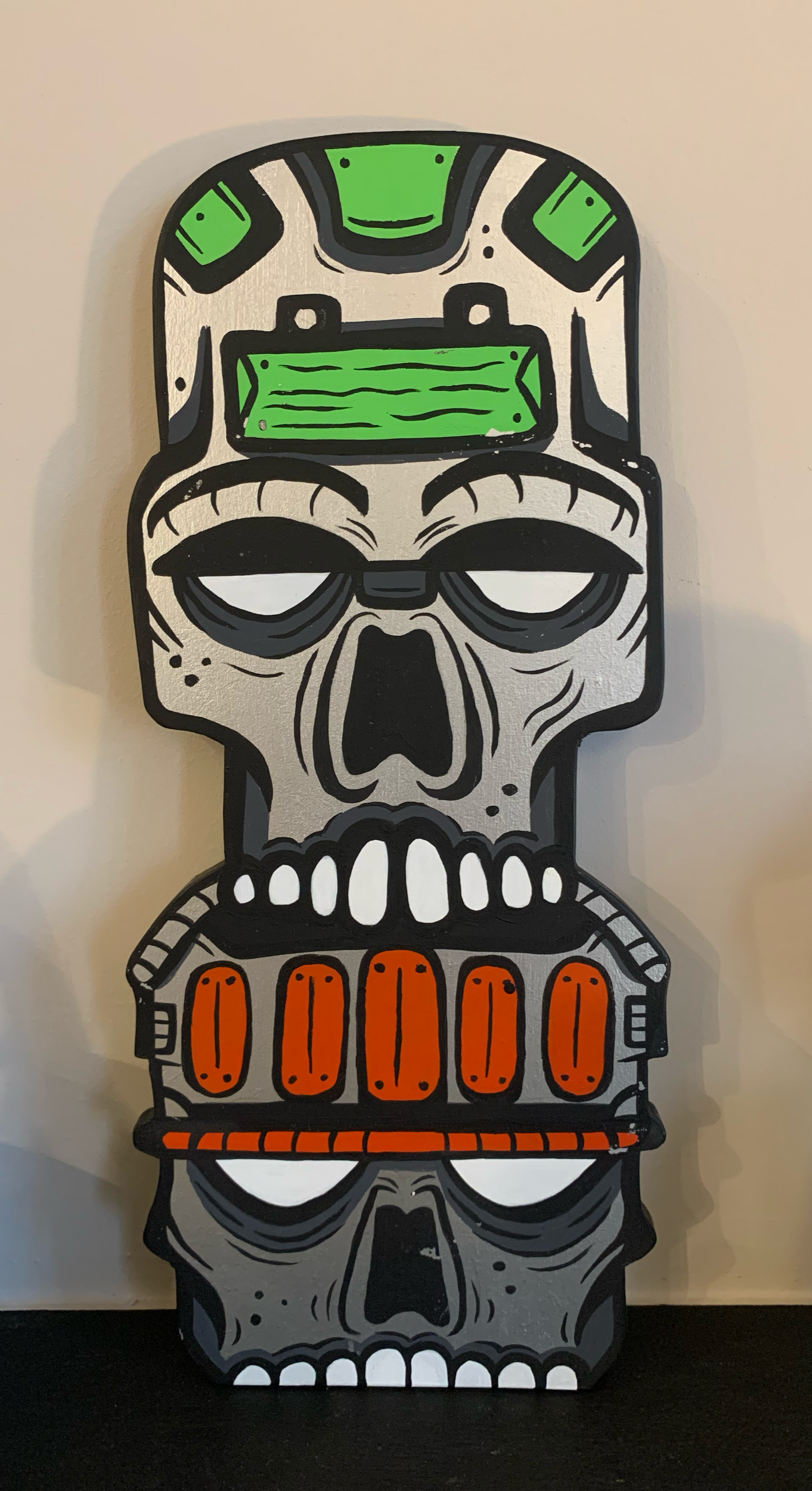
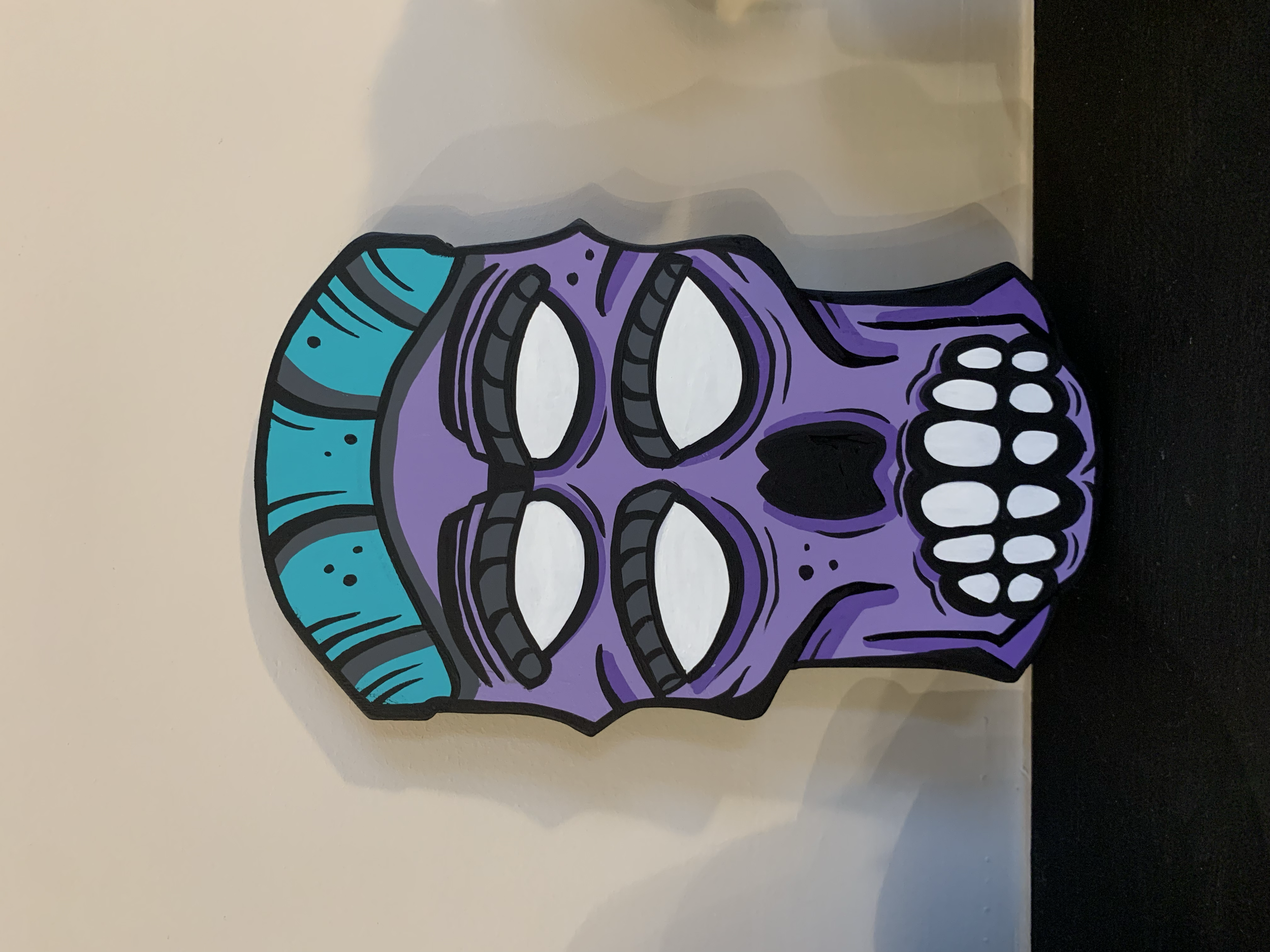
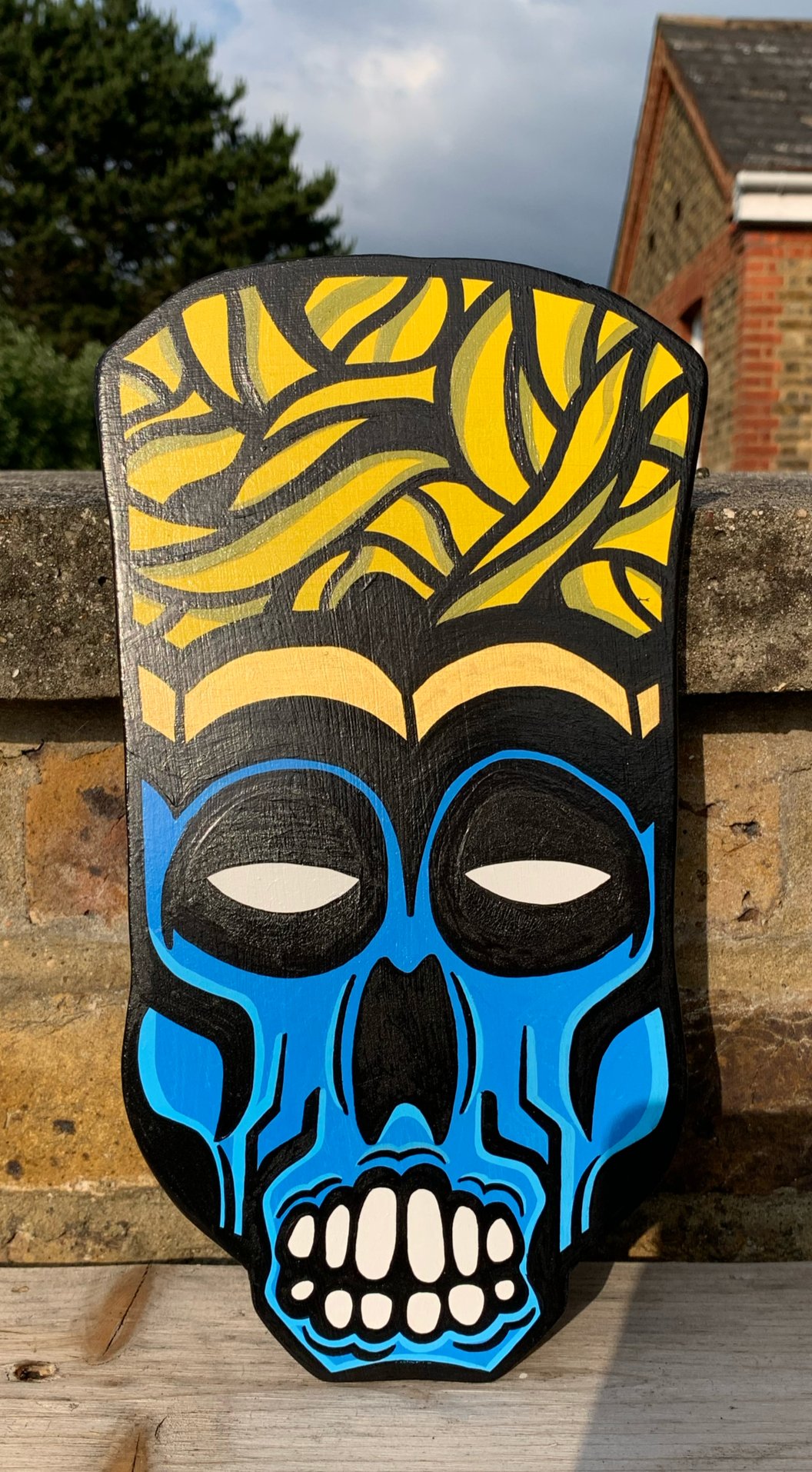
Every woodcut begins long before a pencil ever touches paper. Most start as a strange idea that refuses to leave my head—a glimpse of some peculiar creature lurking in the corners of my imagination, an oddly shaped knot in a piece of wood that suddenly looks like a face, or simply the question, "What if this thing actually existed?" I rarely sit down with a finished idea in mind. Instead, I let my imagination wander off unsupervised, allowing bizarre monsters, curious oddities and wonderfully wonky characters to reveal themselves naturally as I sketch. Some become cheerful little goblins with too many teeth, others grow into towering swamp beasts, ancient automatons or mysterious beings that look as though they've accidentally wandered here from somewhere else entirely.
Once a character starts to emerge, that's when the real fun begins. Every oversized eyeball, crooked tooth, weathered horn, gangly limb and peculiar expression is carefully refined until the creature feels like it has a personality of its own. I don't just want to create something that looks interesting—I want every character to feel as though it has lived a life before finding its way onto your wall. Who knows where they've been? Perhaps they've spent centuries guarding forgotten temples, roaming haunted forests or hitching rides aboard intergalactic trading vessels. I'll leave the rest of their story for you to imagine.
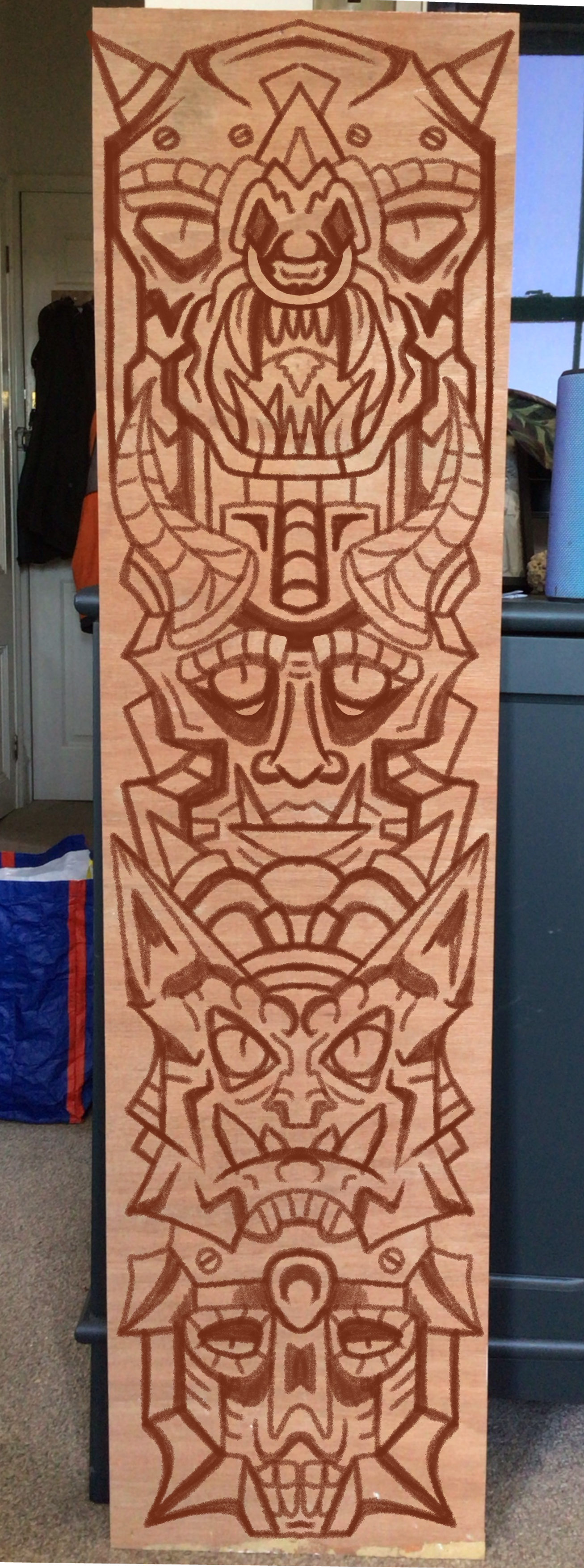
For years, every design began life in Procreate before being projected onto tracing paper and then painstakingly transferred onto the wooden panel. It was an incredibly accurate process and brilliant for scaling designs to fit different sizes of wood. More recently though, I've gone in almost the opposite direction.
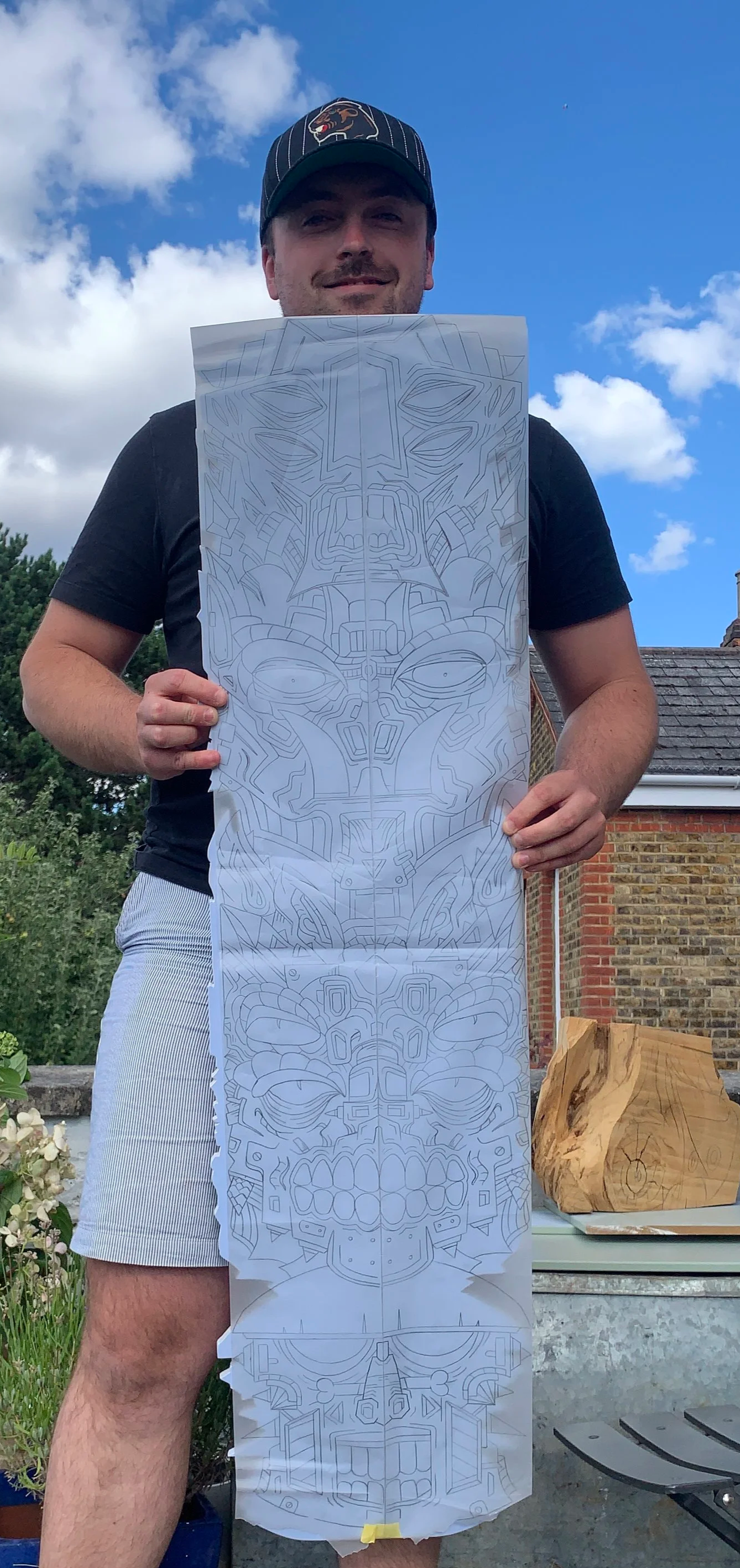
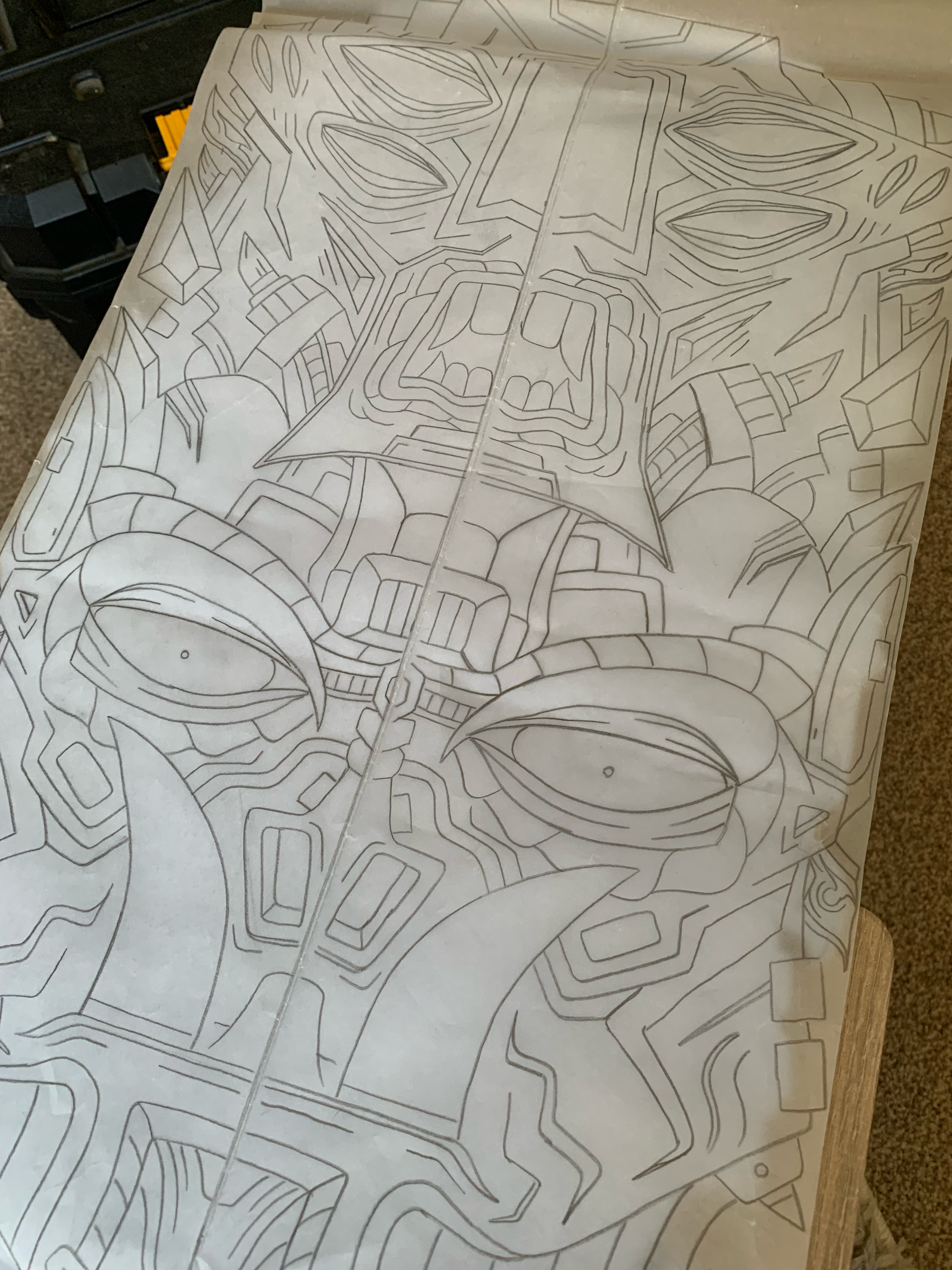
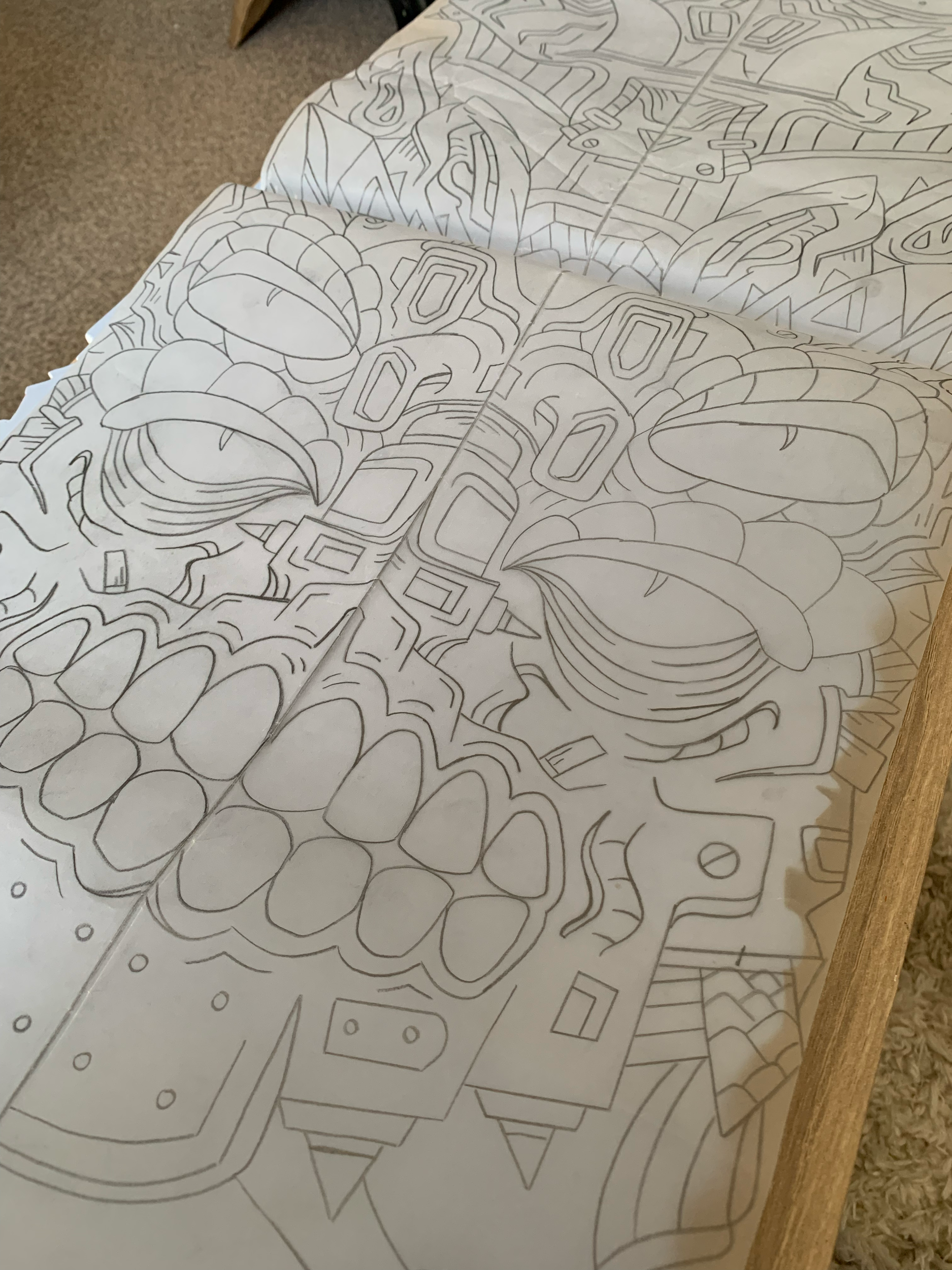
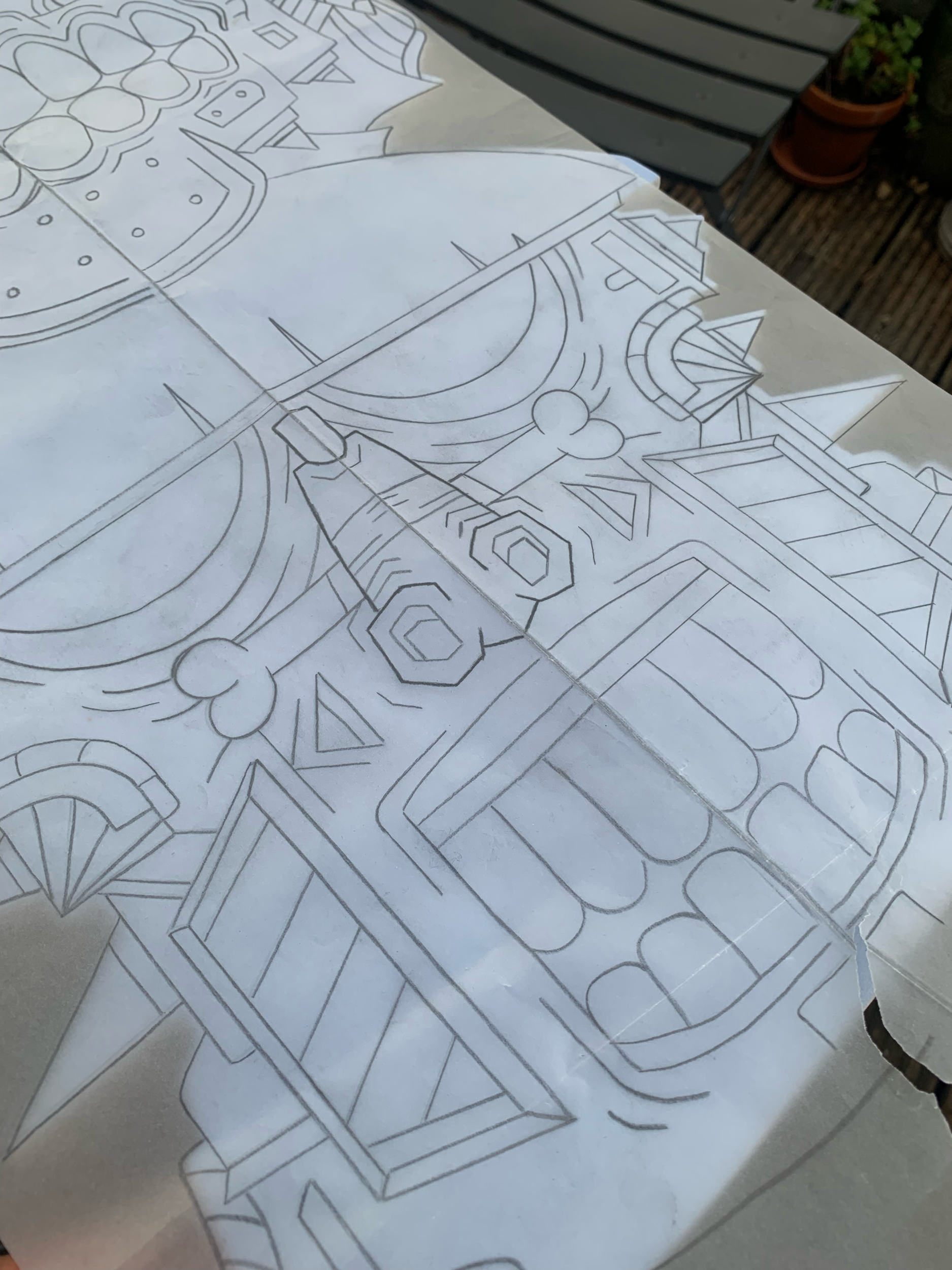
These days I sketch my designs on long strips of paper before folding and tracing them by hand to create the mirrored half of the artwork. Oddly enough, giving up some of that digital precision has made the whole process far more exciting. Unlike Procreate's symmetry tool—which shows you a perfectly mirrored design in real time—I have no idea exactly how the finished character will look until I unfold the paper and reveal both halves together. It's a bit like opening a mysterious package from my own imagination. Sometimes a horn ends up curving differently than I expected, an eye lands in just the right place or an expression suddenly comes alive in a way I never planned. That little element of unpredictability keeps the creative process interesting, and somehow encourages my imagination to work even harder.
Of course, every method has its downsides. Mine usually involves discovering that the graphite from the tracing paper’s pencil marks has done a mad one and smudged itself all over a beautifully prepared spray-painted panel just as I thought everything was going perfectly. Sometimes it do be like that.
Once the drawing is finally transferred, it's time to whip out the the power tools.
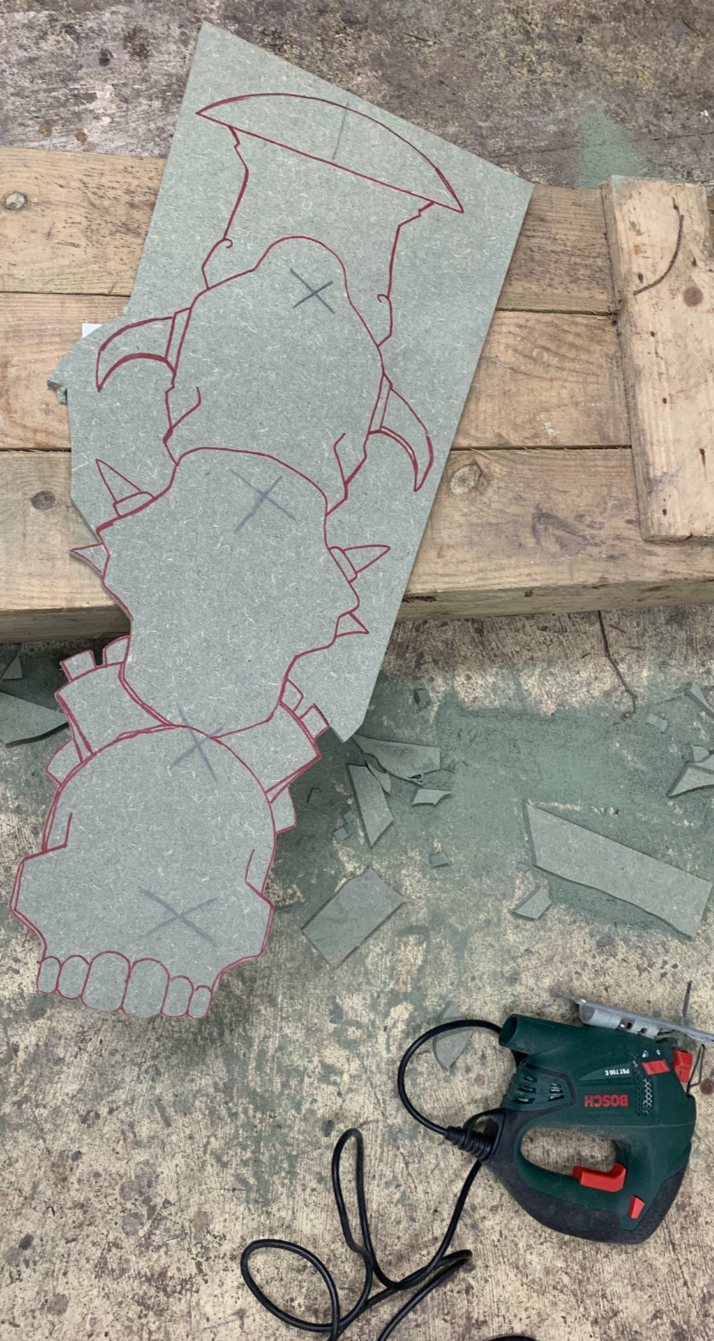
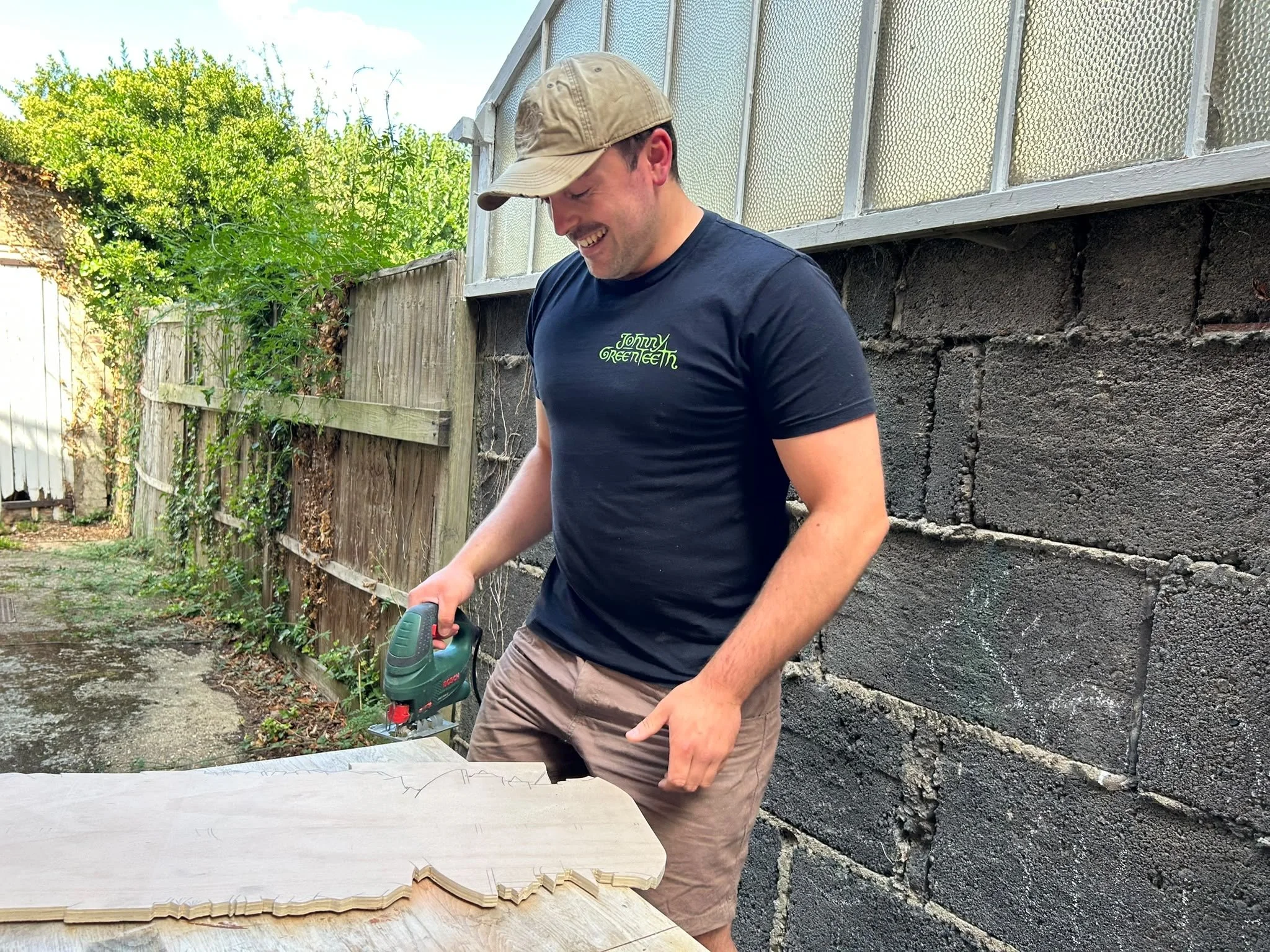
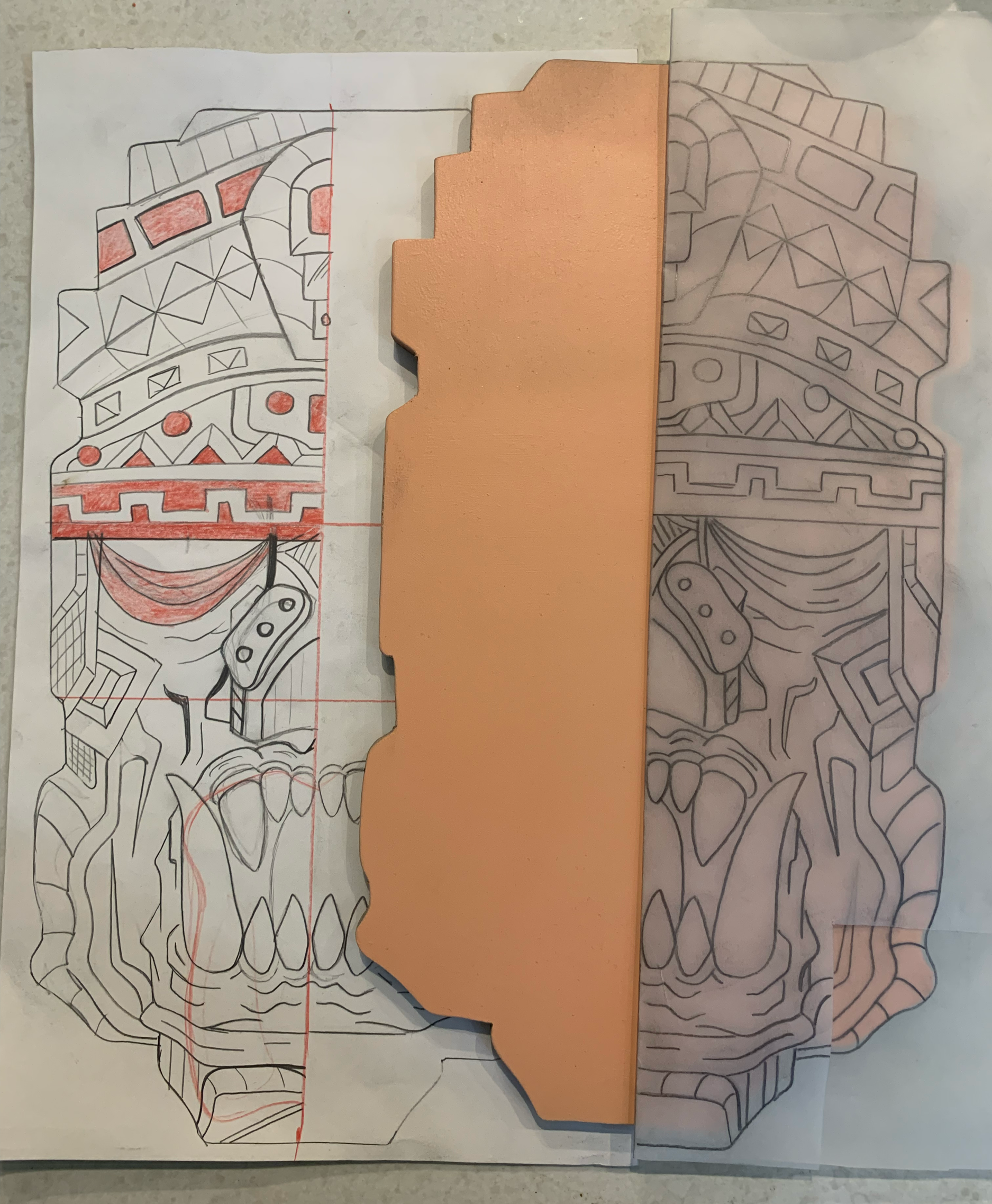
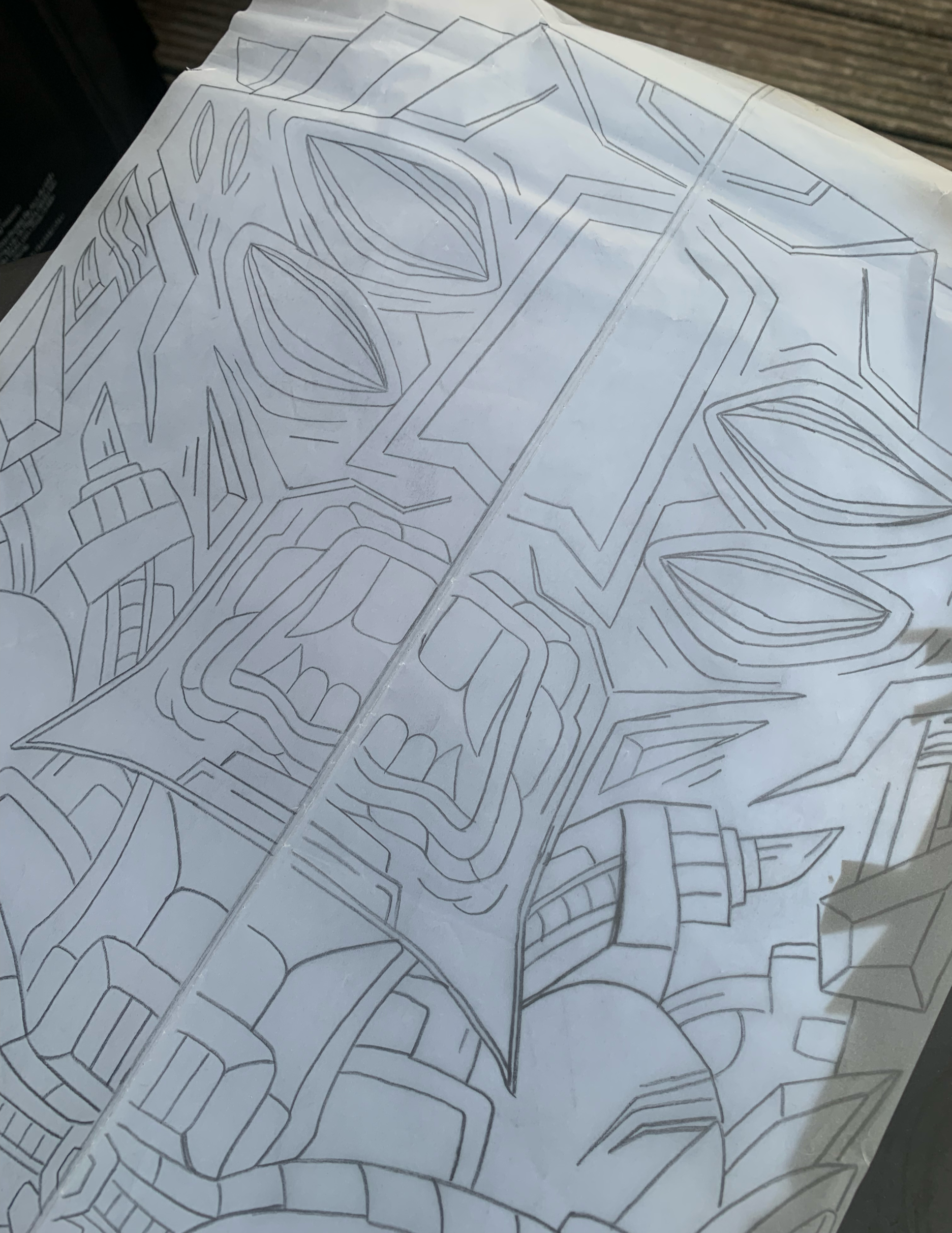
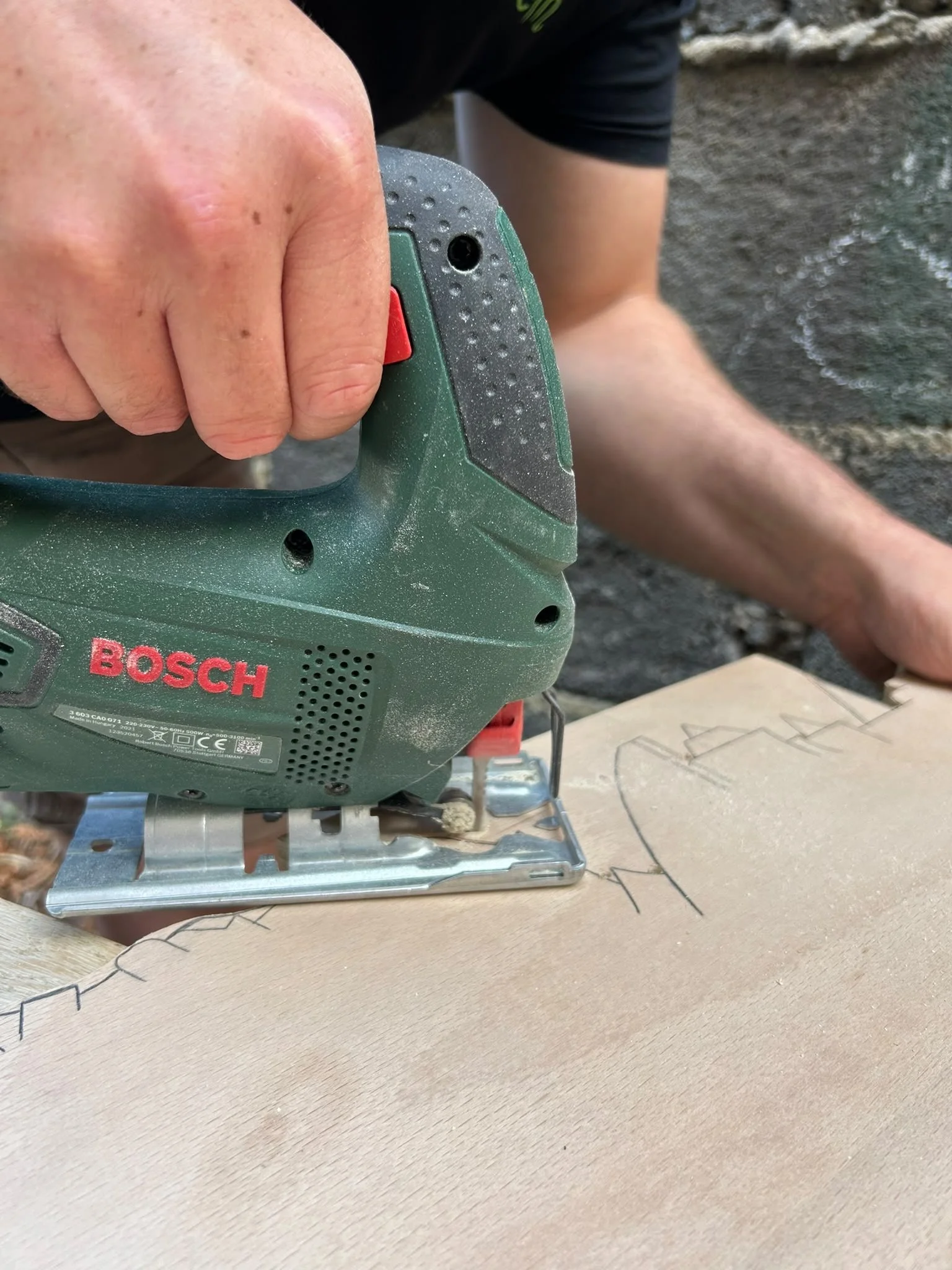
I mostly work with plywood and MDF, each with its own strengths. MDF sands beautifully and produces wonderfully smooth curves, but over time I've found myself reaching for plywood more and more. I prefer the feeling of working with it, it produces less dust in my workshop and, perhaps surprisingly, I find it much easier to guide into long, clean, confident cuts.
The rough outline of each character is cut using an electric jigsaw fitted with a high TPI (teeth per inch) blade. If there are any fellow woodworkers reading this—do yourself a favour and give high TPI blades a try. They produce cleaner cuts, reduce tear-out and make tight curves far easier than larger-toothed blades. Considering many of my characters are packed with tiny details, sharp angles and narrow cut-outs, that extra control makes a world of difference. I love the process of cutting out the intricate silhouettes that allow every horn, claw, tentacle and peculiar little detail to stand proudly against the background.
Watching the character slowly emerge from a flat sheet of wood is still one of my favourite parts of the entire process. It never feels like I'm simply cutting something out. It feels more like uncovering a creature that was quietly hiding inside the timber all along.
With the cutting complete, the sanding marathon begins. Every edge is worked through progressively finer grits to mitigate tear-out, soften the profile and leave the surface beautifully smooth. Plywood, in particular, rewards patience here; taking the time to refine every edge helps prevent splintering and delamination while creating a much cleaner finish. Then comes a coat of primer... followed by more sanding... followed by another coat... and yes, even more sanding. It's a bit of a long old process, but eventually the surface becomes wonderfully buttery smooth and ready for paint.
Now comes my favourite part—the moment the creatures finally wake up.