There’s something pretty satisfying about taking one of my characters that normally exists in two dimensions—on a page, a screen or a wood panel—and turning it into a three-dimensional creature. Using Nomad Sculpt on my iPad, I’ve been developing three custom action figure designs with the eventual aim of resin printing and hand-painting them as Wizard Bones collectable art toys.
Digital sculpting has been a completely new kind of challenge. Rather than starting with one lump of digital clay and slowly poking it into submission, these figures have to be built from specific shapes and geometries, which has taken some getting used to. Getting my head around the layers menu and the slightly bewildering hierarchy of digital sculpting has provided plenty of head-scratching, but figuring it all out has been half the fun.
The idea of making my own action figures has actually been a childhood dream for a long time. My Uncle, a retro toy collector himself, got me hooked on retro toys when I was a kid—Shogun Warriors, Transformers and, of course, Star Wars figures. And let’s not forget my extensive Ewok figure collection. There was a comic and collectors’ shop in my hometown called Planet Eater that I used to visit with my hard-earned pocket money, usually in search of another Star Wars figure. I’d get home, immediately rip it out of the packaging (I’m sure plenty of mint-in-box collectors would shed a tear at this point) and cover it in Blu Tack. I’d use this Blu Tack to add bits of makeshift armour, masks, helmets and other temporary sculptural nonsense in an attempt to create my own versions of the characters. So, in a slightly more sophisticated form, that’s essentially what I’m still doing now.
These three characters draw heavily from classic Kenner and Mattel action figures, particularly their chunky proportions, exaggerated features and unmistakable silhouettes. The goal is to capture some of that wonderfully nostalgic retro toy aesthetic while giving the designs a distinctly Wizard Bones twist.
3D DIGITAL MODELLING
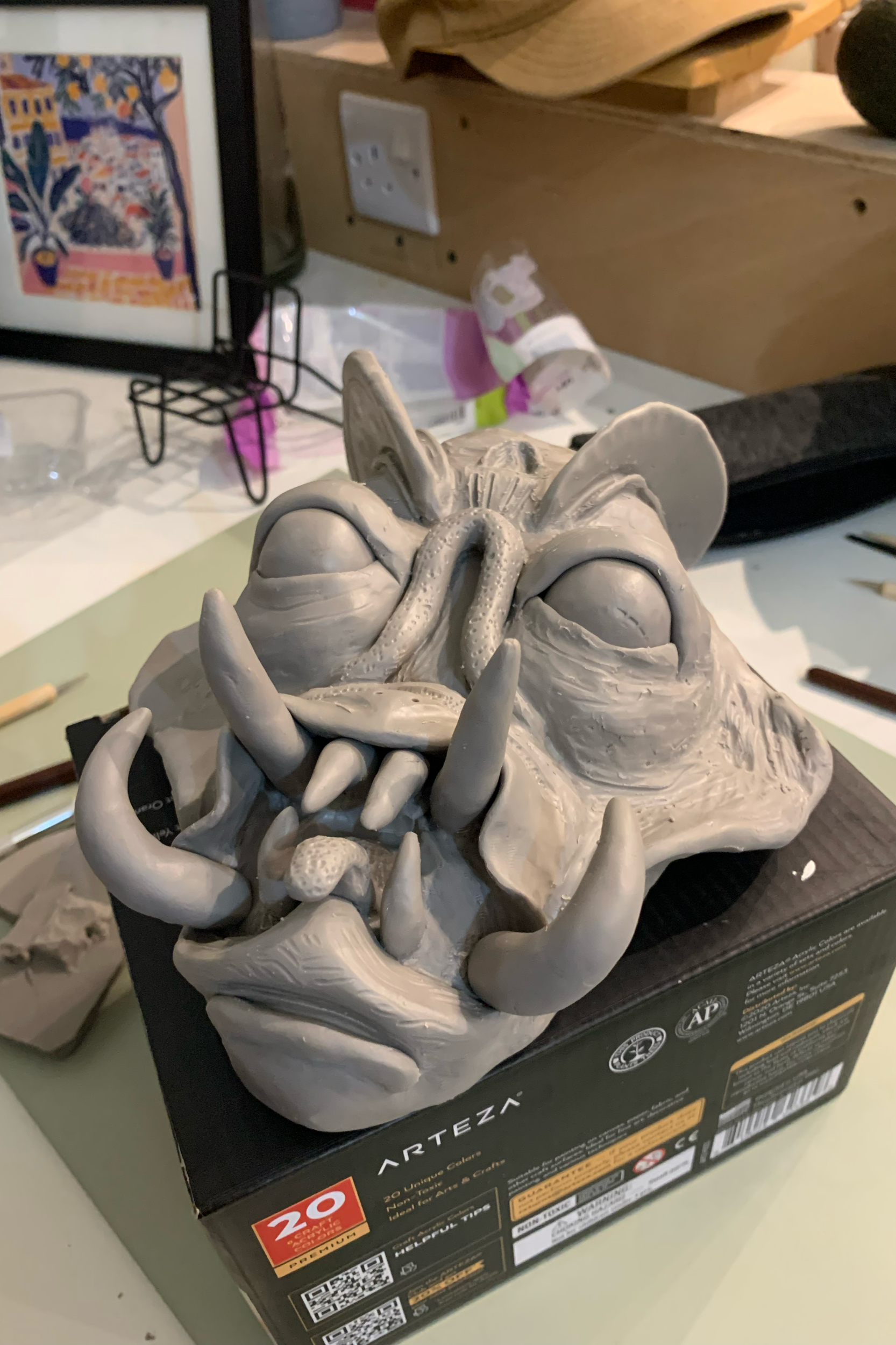
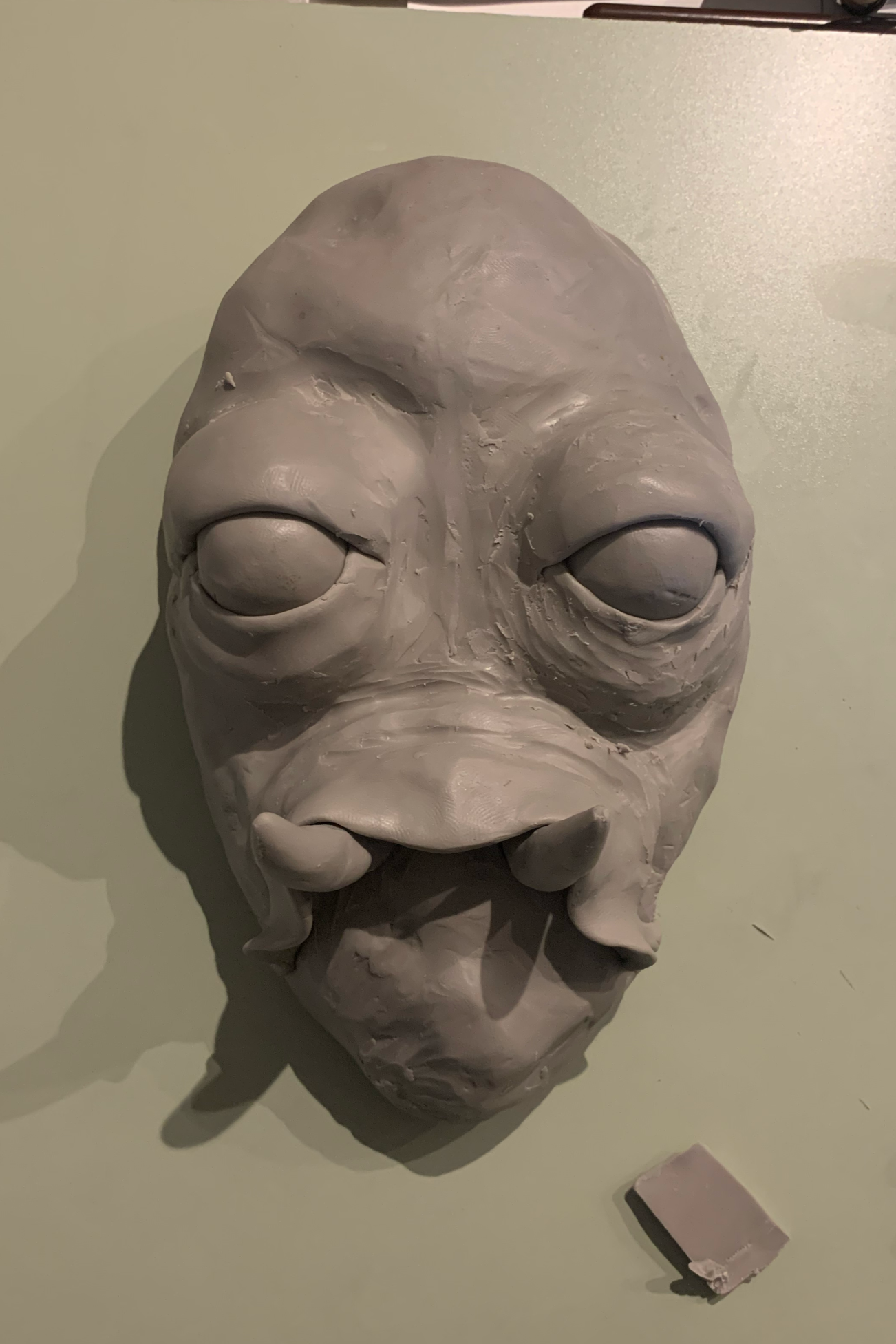
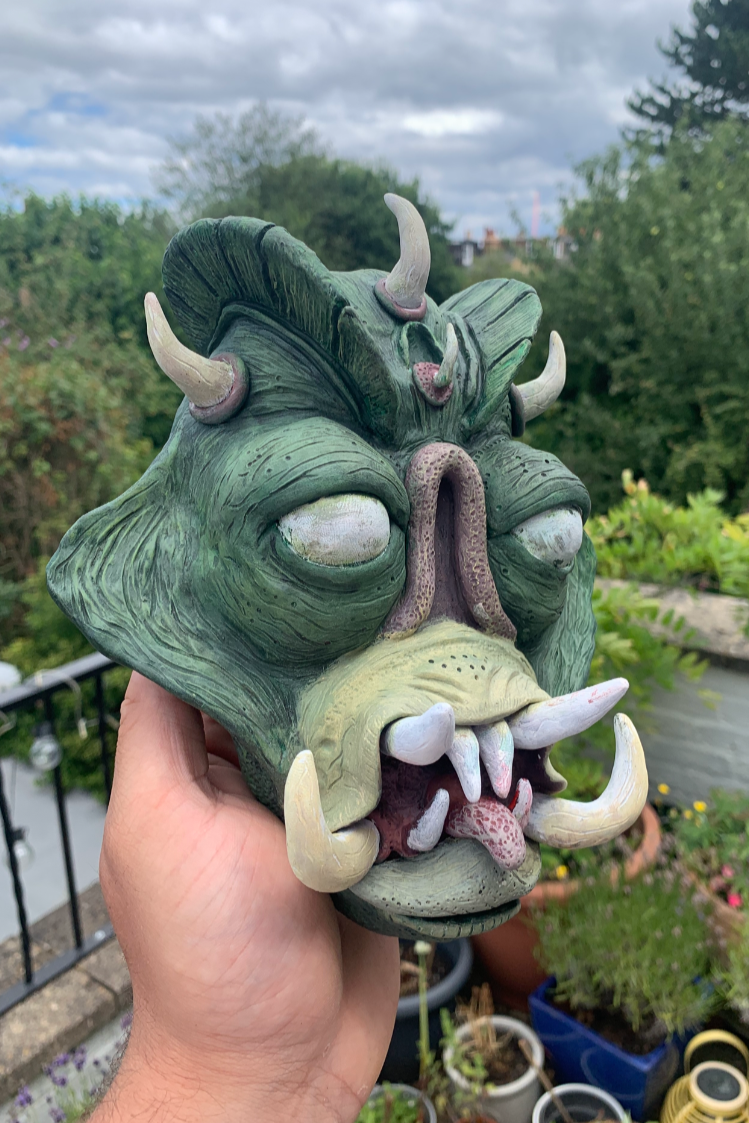
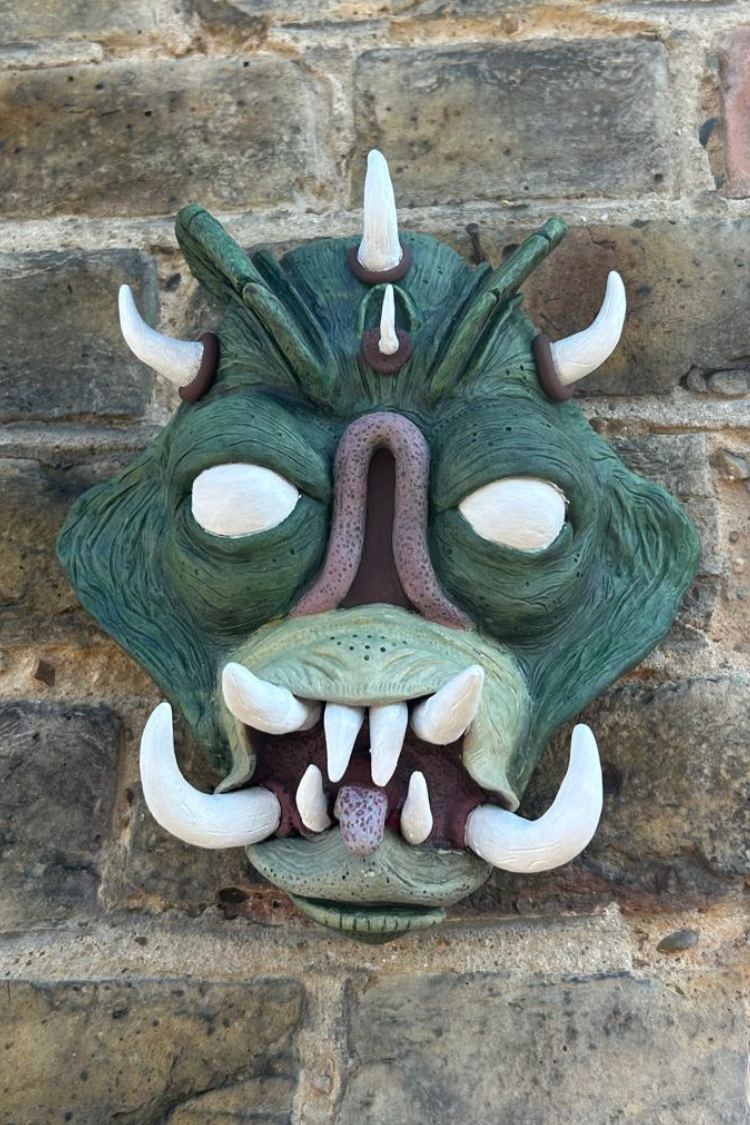
When we were on holiday in Cornwall, my girlfriend bought this cool 3D ceramic starfish wall decoration from a garden centre, which inspired me to make her a matching clam shell to go alongside it. So, out came the modelling clay and I set about making a perfectly respectable clam shell. Unfortunately, somewhere along the way, the clay had other ideas. What started as an attempt at a shell gradually began to look more like a head, and I got a little carried away. The clam shell was abandoned and, in its place, emerged what can only be described as a grotesque and wretched gargoyle.
I still owe my girlfriend a model of a clam shell, as this particular creation doesn’t exactly complete the coastal theme. The gargoyle itself was built by shaping and building up the clay around a tin foil form, gradually carving in the exaggerated features and details of the face along with adding clay teeth on metal wire supports. Once it had dried, I used layers of acrylic washes to bring out the texture and depth, allowing darker tones to settle into the cracks and crevices while lighter colours picked out the raised areas. The result is a weathered, slightly miserable-looking gargoyle that probably has no business living on our walls anywhere near a cheerful Cornish starfish.
CLAY SCULPTING
GLASS PAINTING
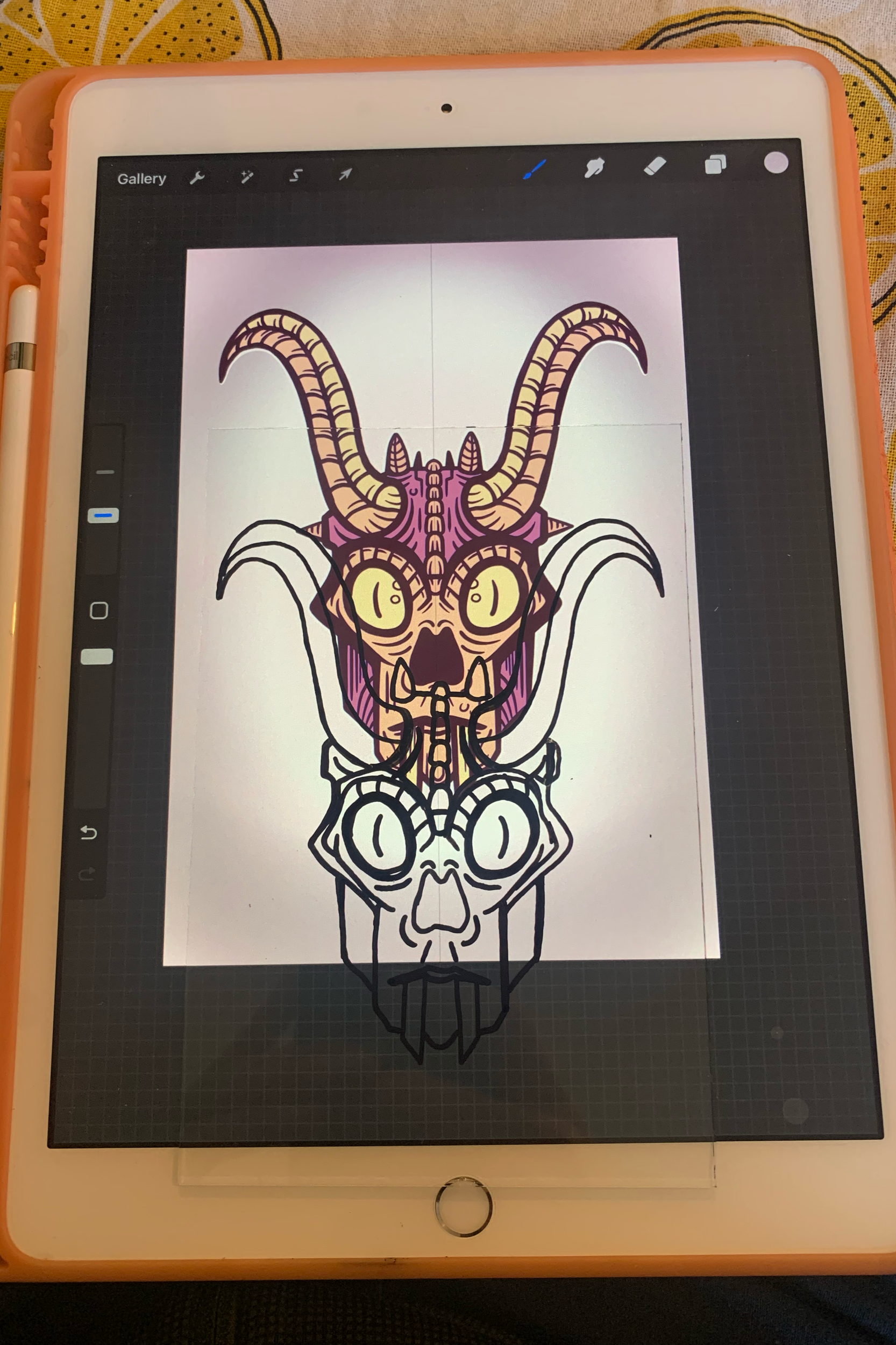
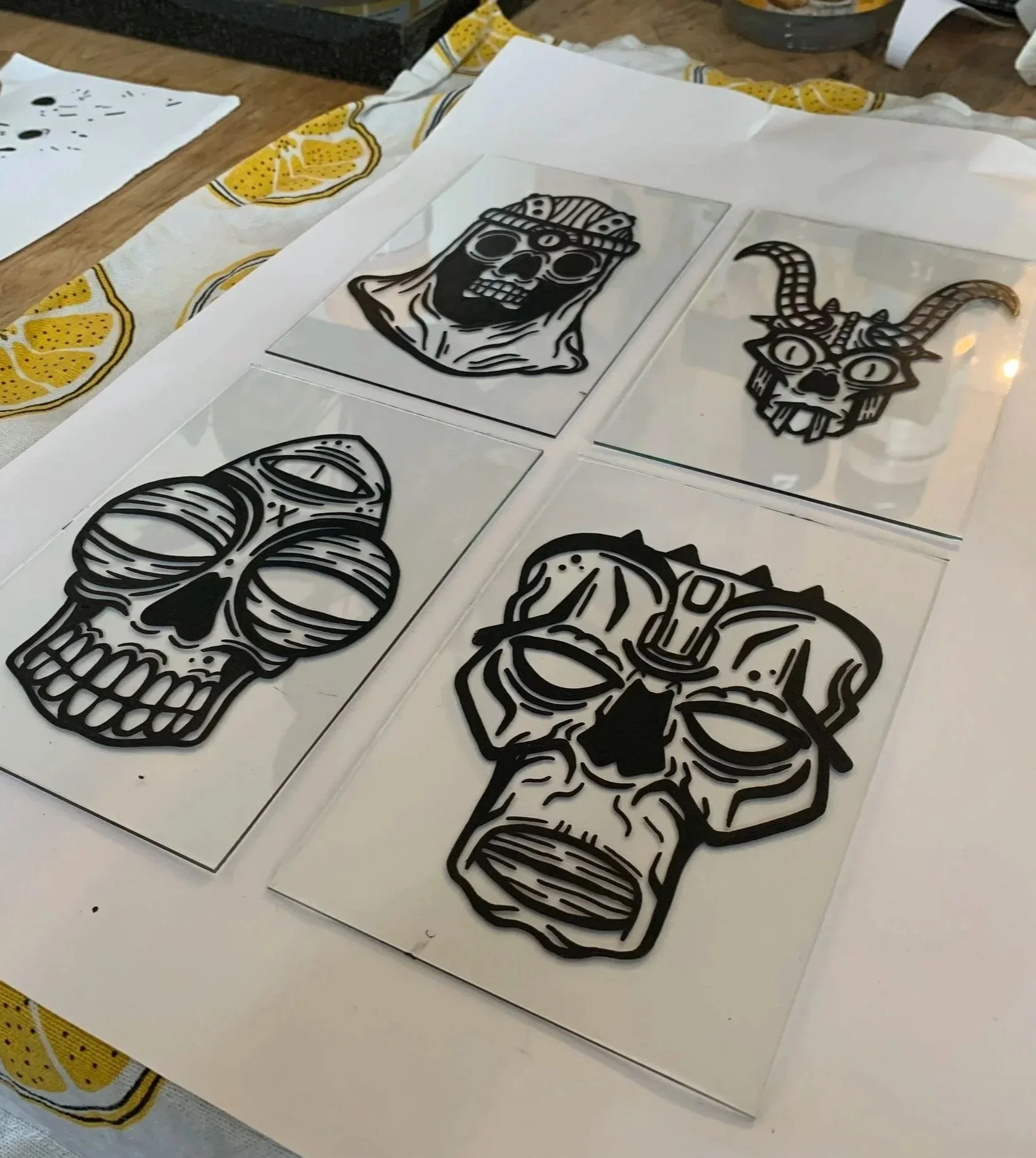
I’m always in awe of the smooth, bold linework of sign painters and window artists, and by the way a glass surface can give your artwork an entirely different depth and character. I decided to have a crack at it with a series of small picture frames, first placing each pane of glass over my iPad so I could accurately trace the bold linework of my designs using a black acrylic marker pen.
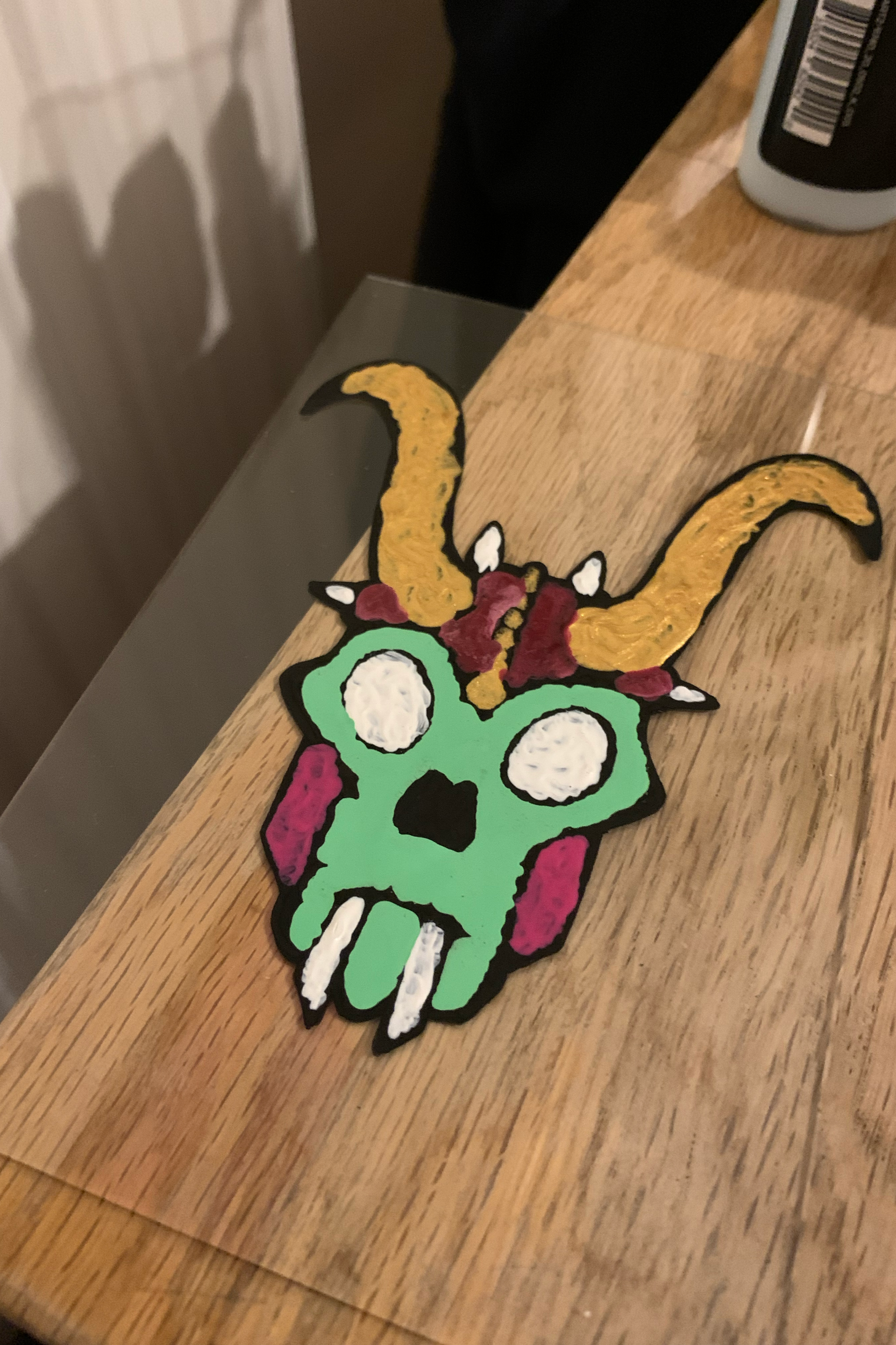
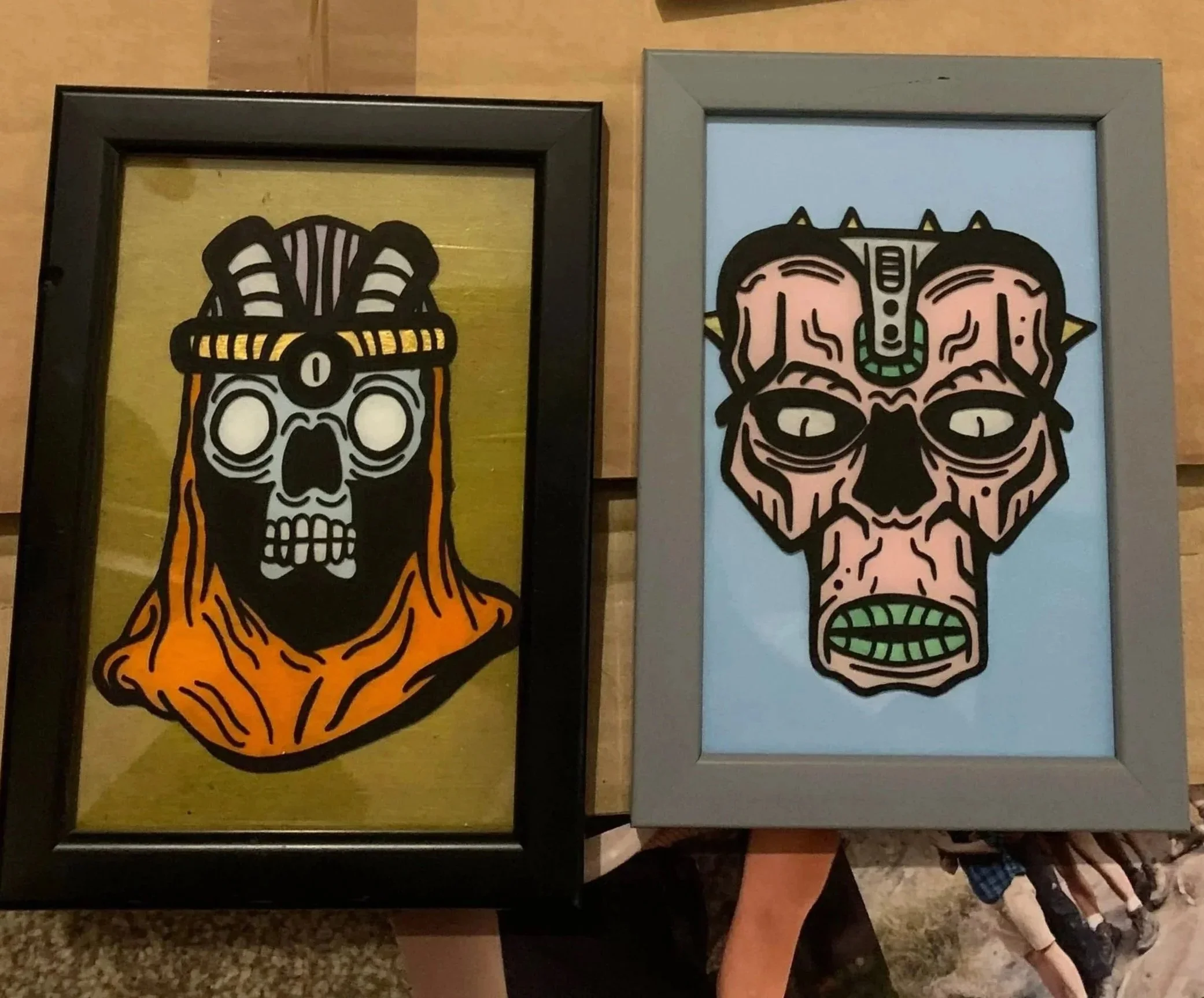
Then came the surprisingly paint-hungry part. I applied some upsettingly thick layers of acrylic paint to the reverse of the glass, gradually backfilling the designs with colour. I quickly discovered just how much paint it takes to achieve a clean finish and decent opacity on glass — considerably more than I had naively anticipated.
To make the finished pieces really pop, I spray-painted the inside surface of each frame’s backing panel, creating a contrasting colour behind the artwork and giving the painted glass even more depth. Once everything was assembled and framed, these little headshots became miniature portals into the Wizard Bones universe — with the creatures on the other side of the glass watching you intently.
T-SHIRT DESIGNING
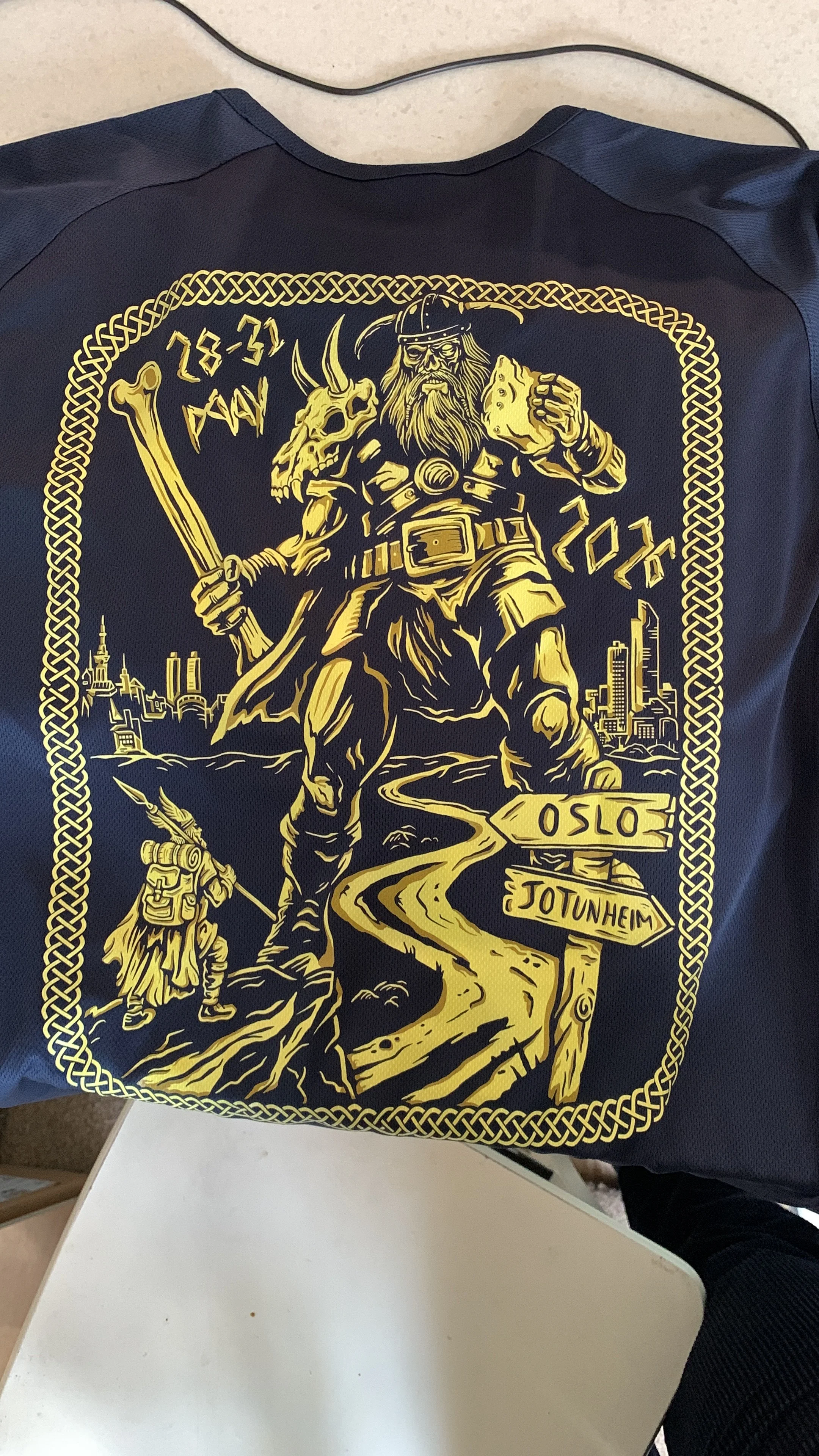
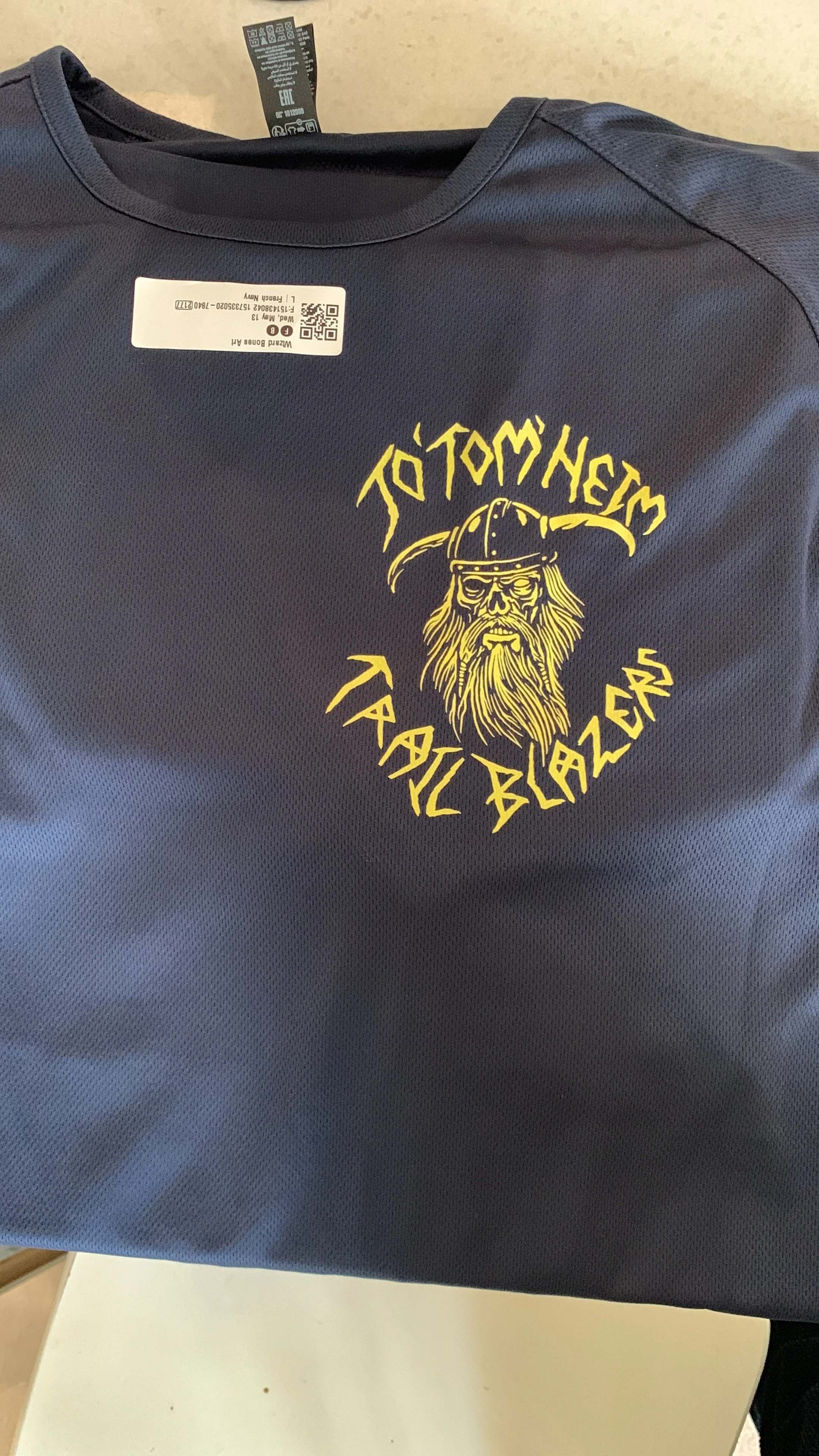
For my mate’s stag do, nine of us travelled to Norway to walk a section of the Jotunheim Way and wild camp in the forests along the route. For the trip, one of my dearest dudes and I put our heads together to create a custom T-shirt design to surprise everyone with at the airport.
The design was inspired by the mythological origins of the Jotunheim name—Jötunheimr, the home of the giants in Norse mythology—combined with elements of the route itself, from the forests and wilderness to our final destination in Oslo city centre. It was a really fun joint project, and we were both pretty stoked to create something that captured the spirit of the trip and gave everyone a memento to take home with them.
SKETCHING
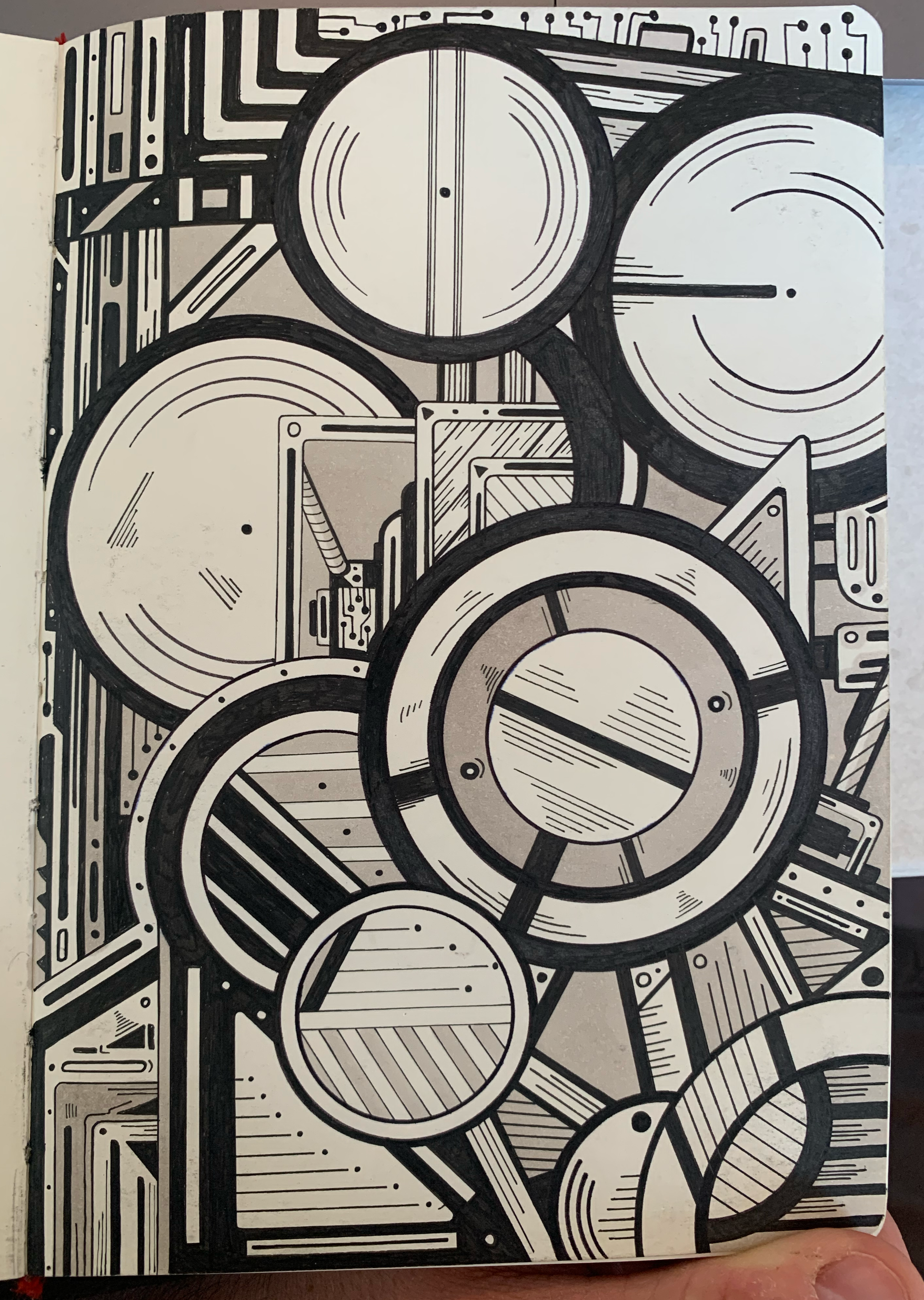
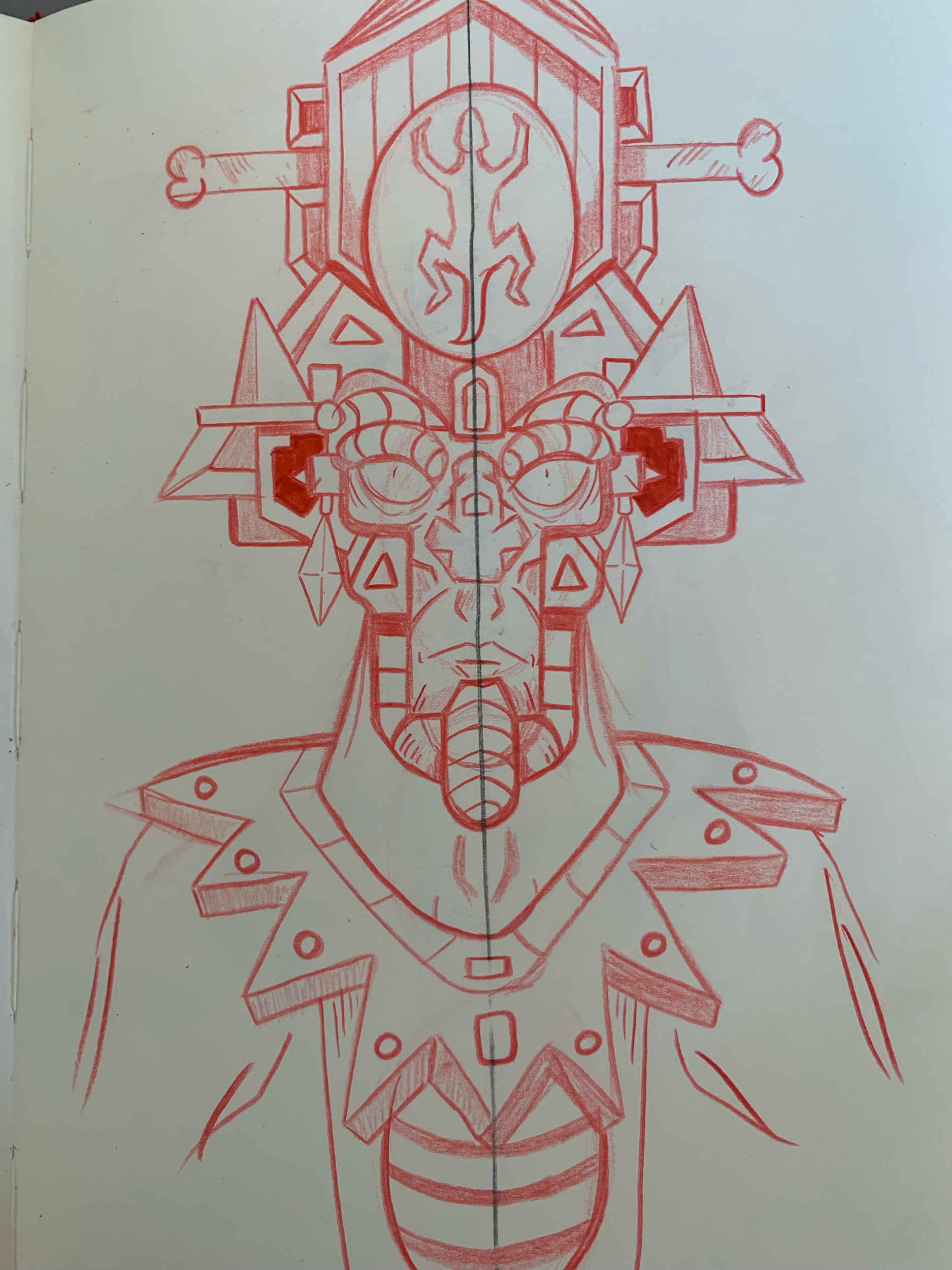
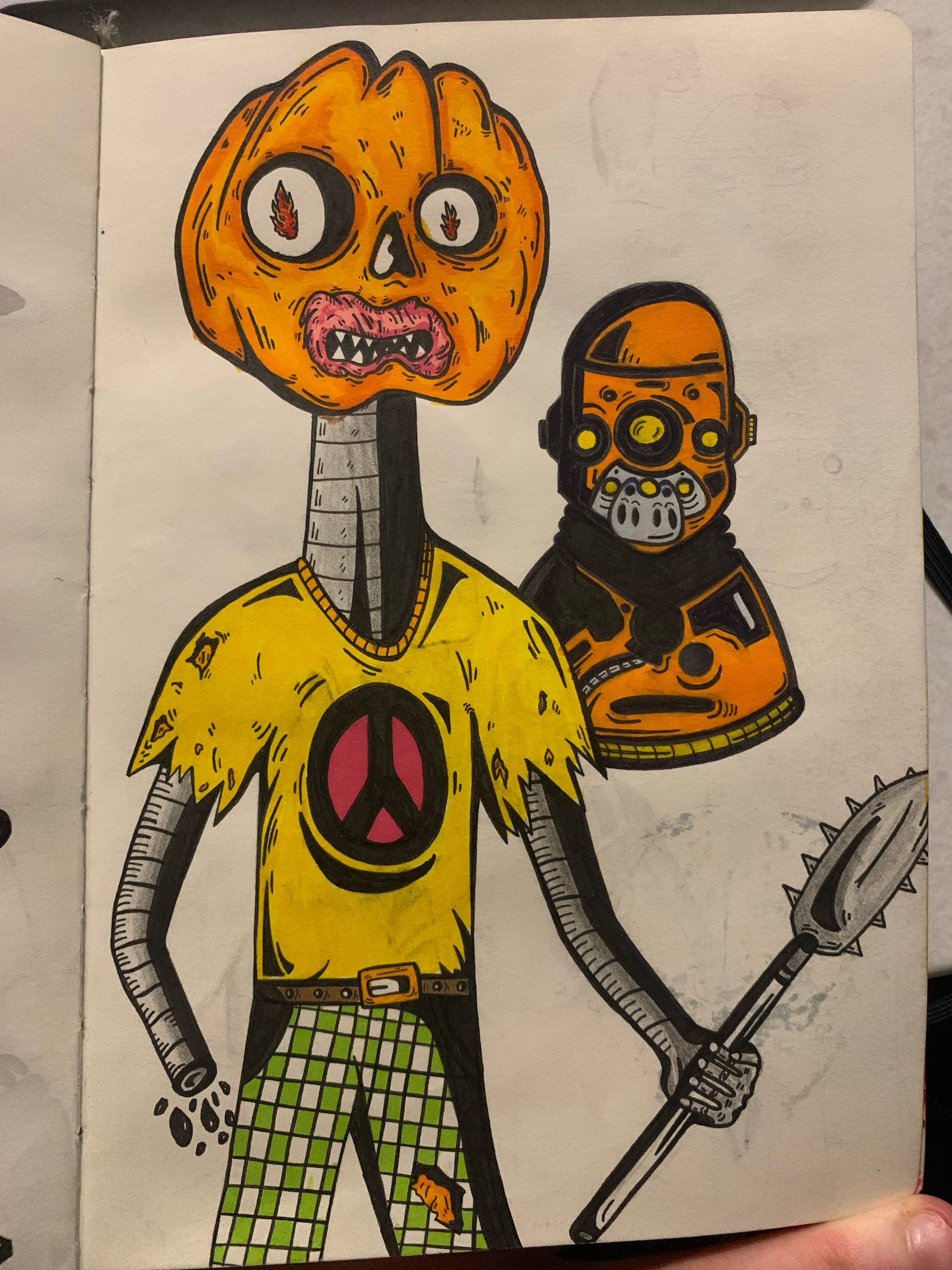
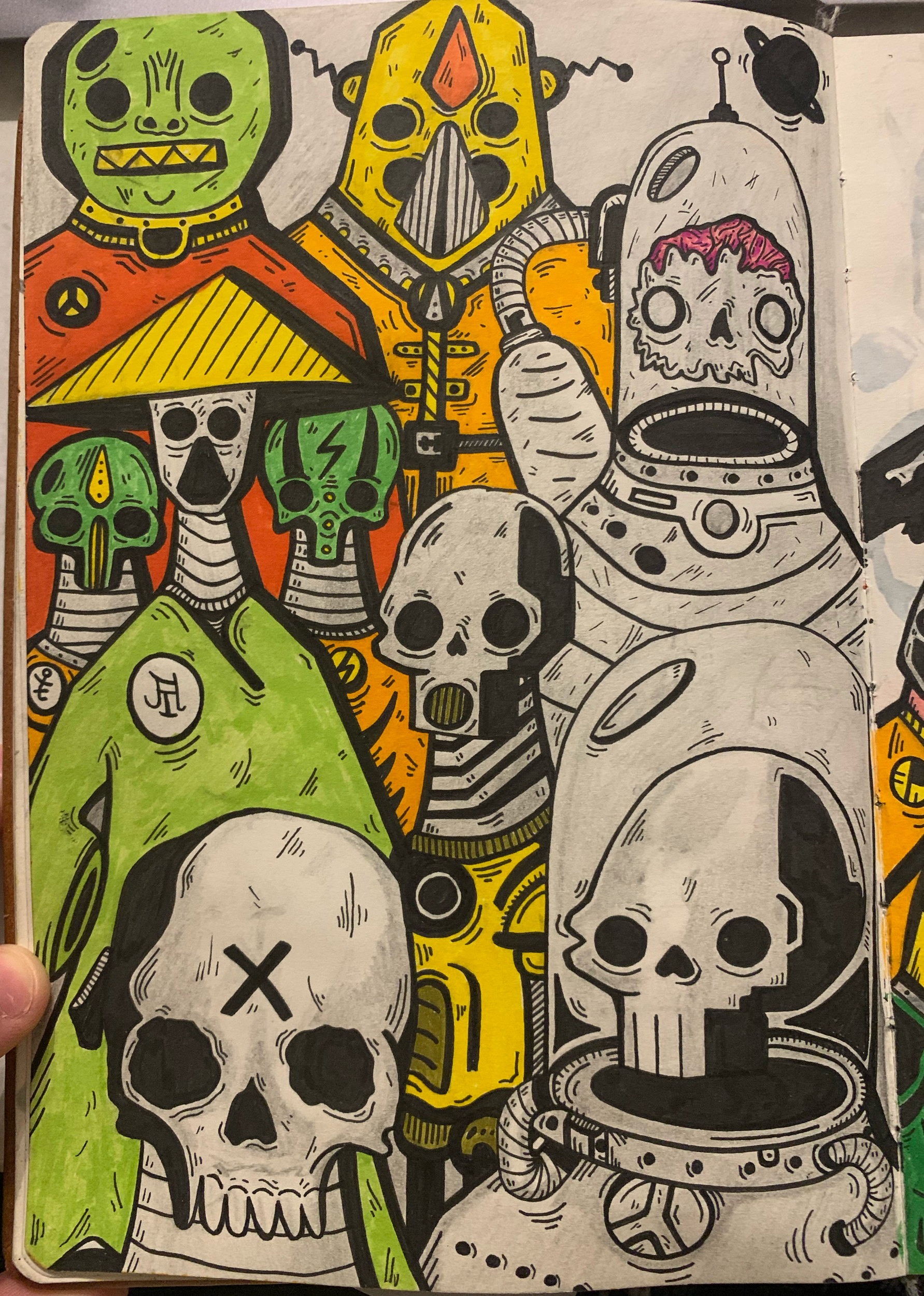
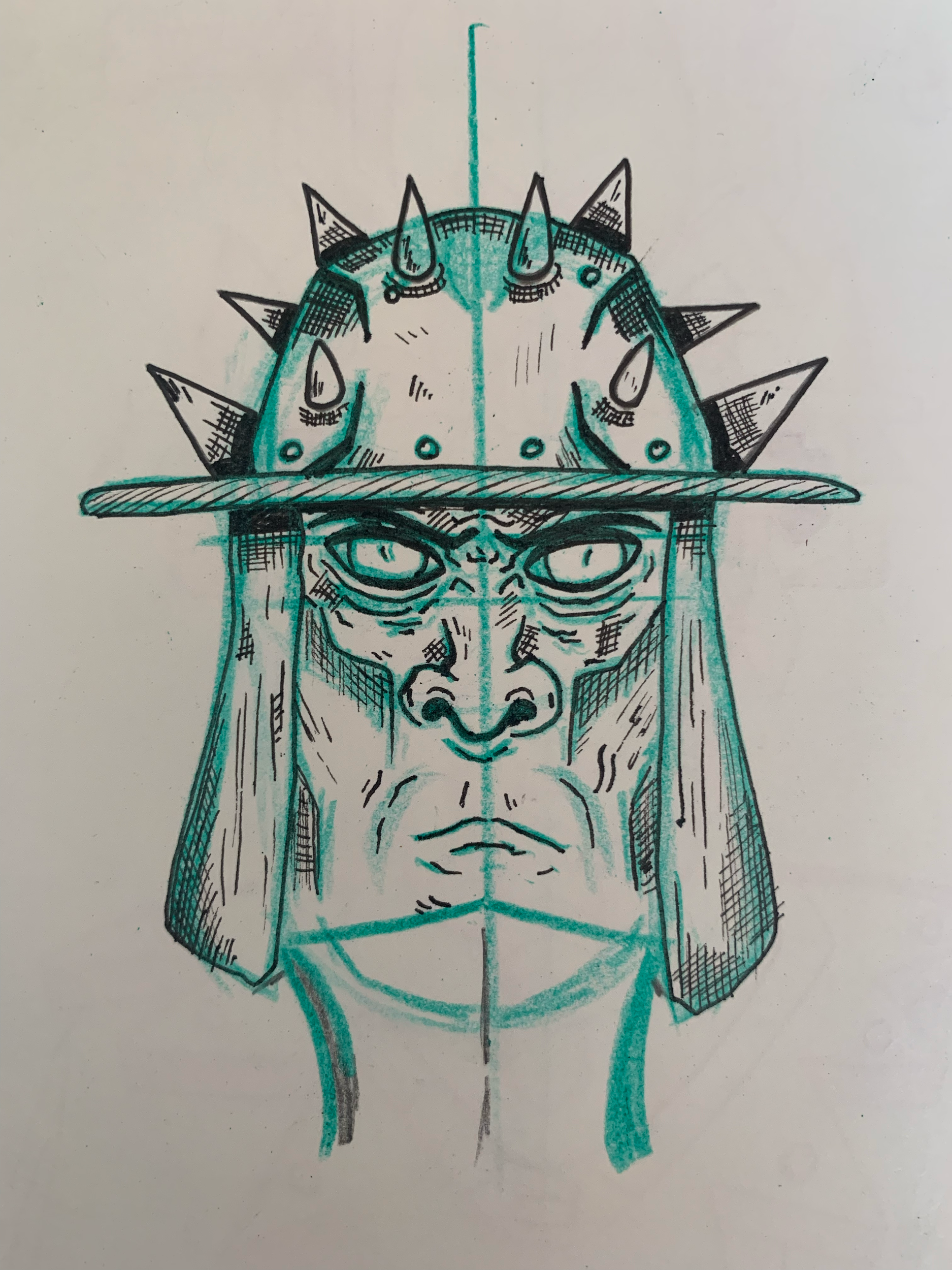
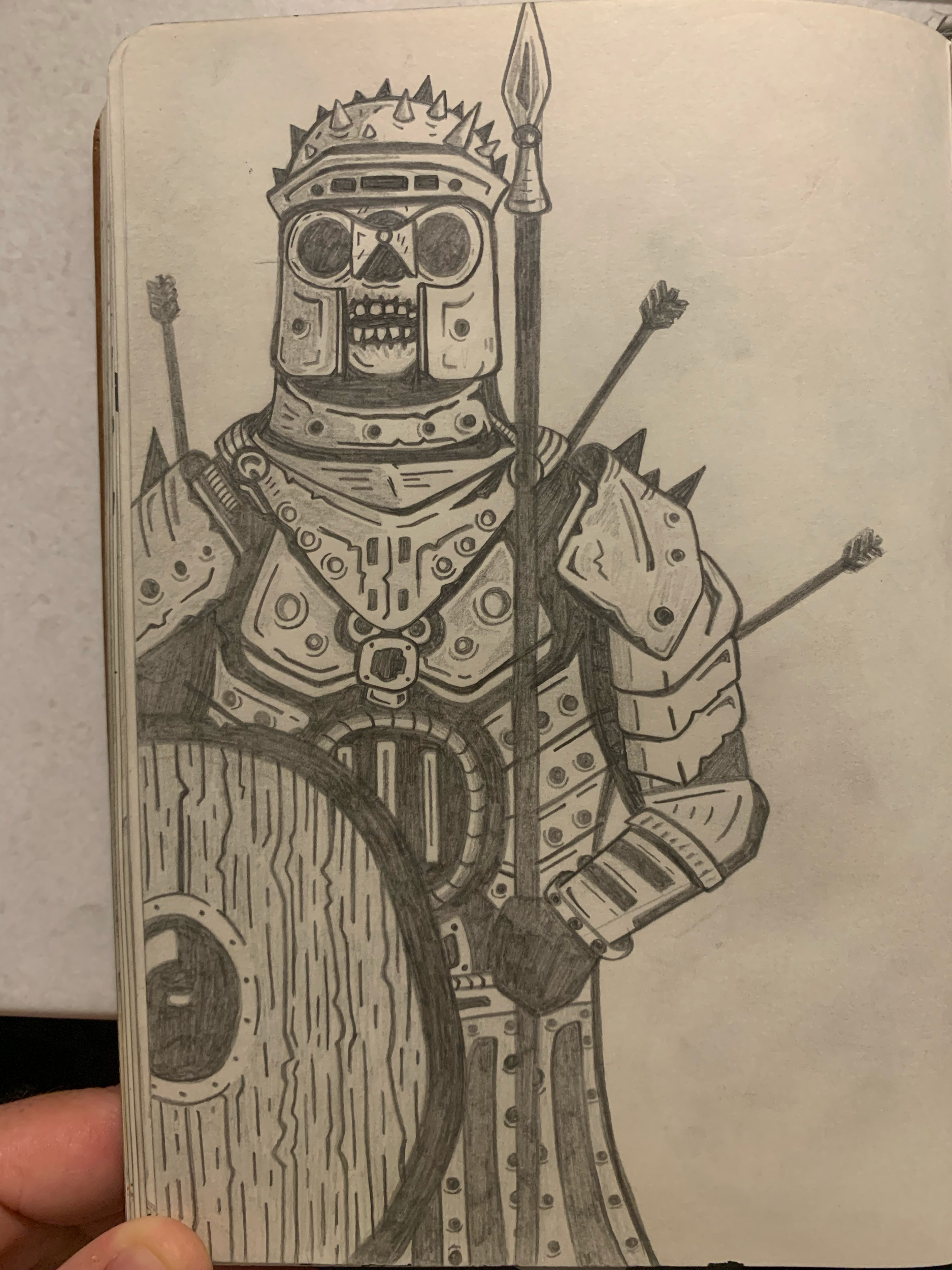
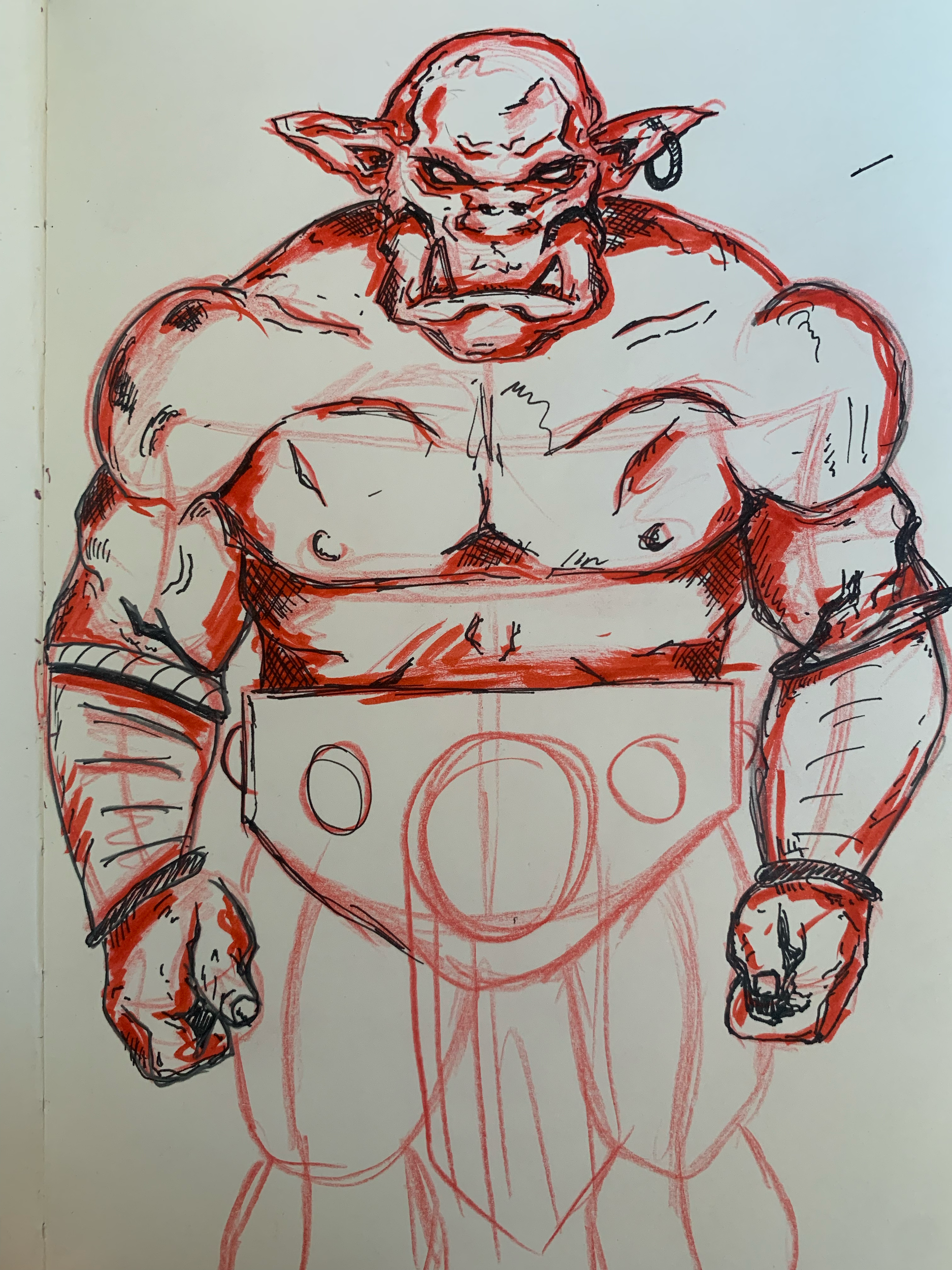
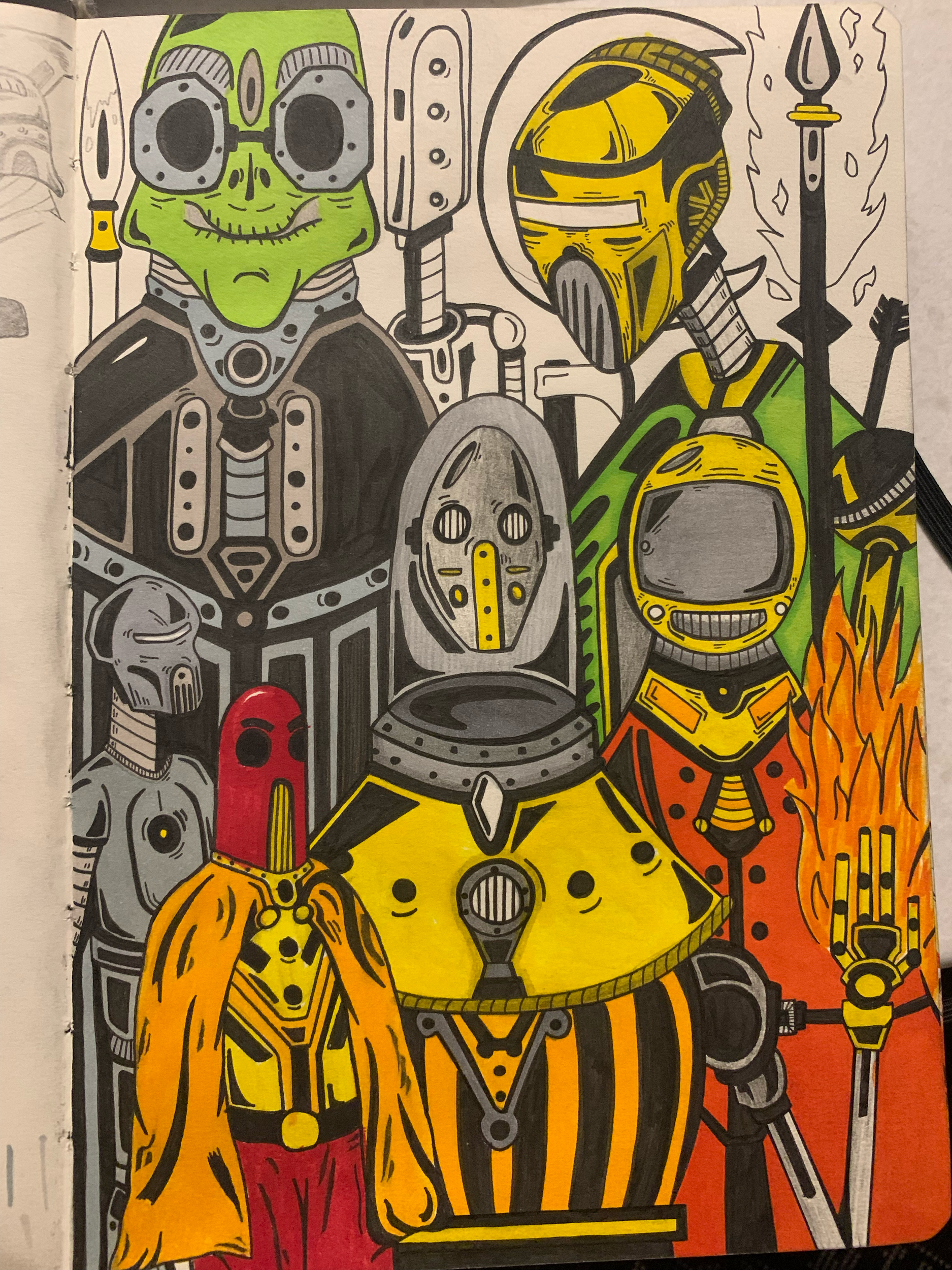
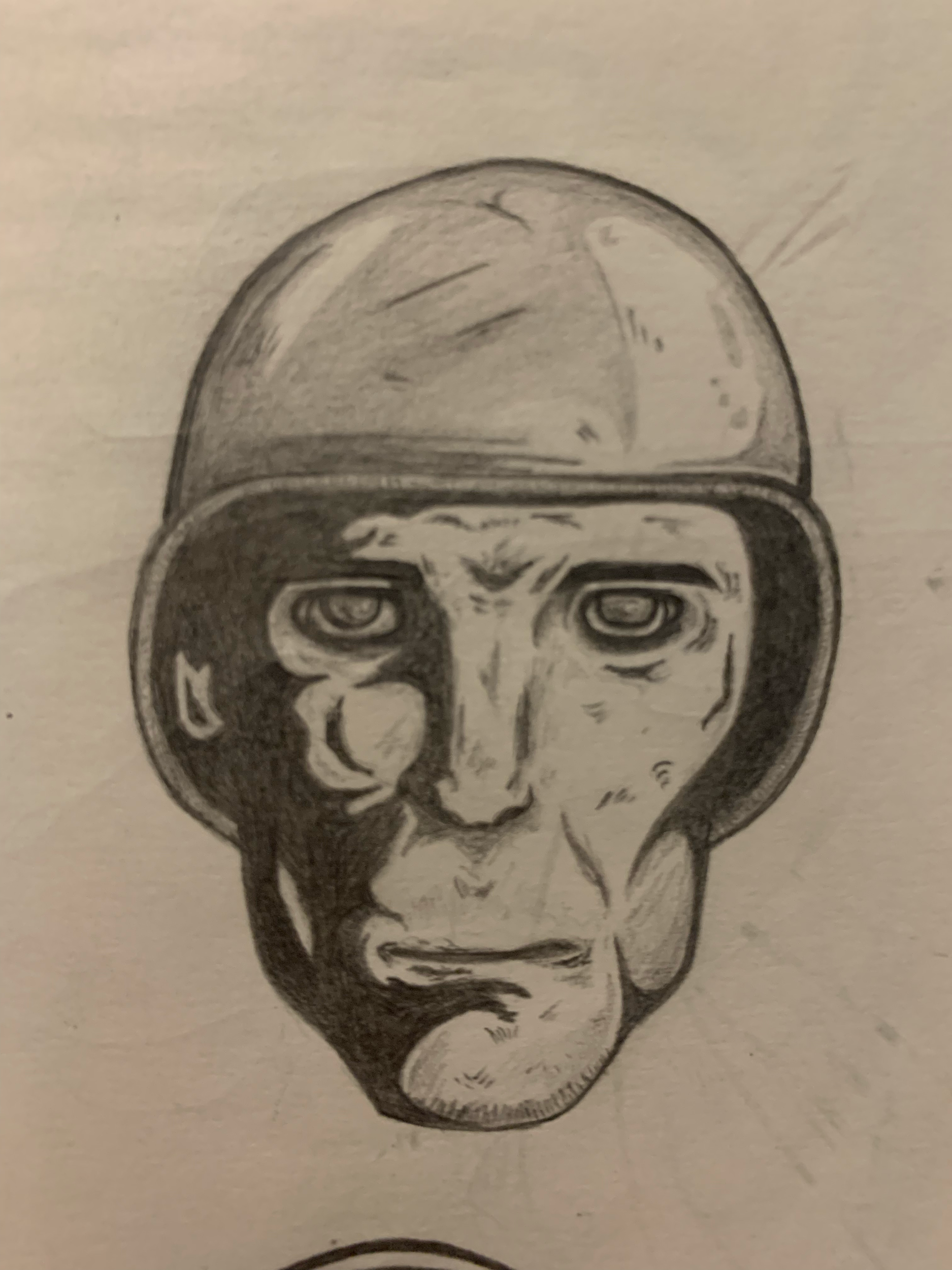
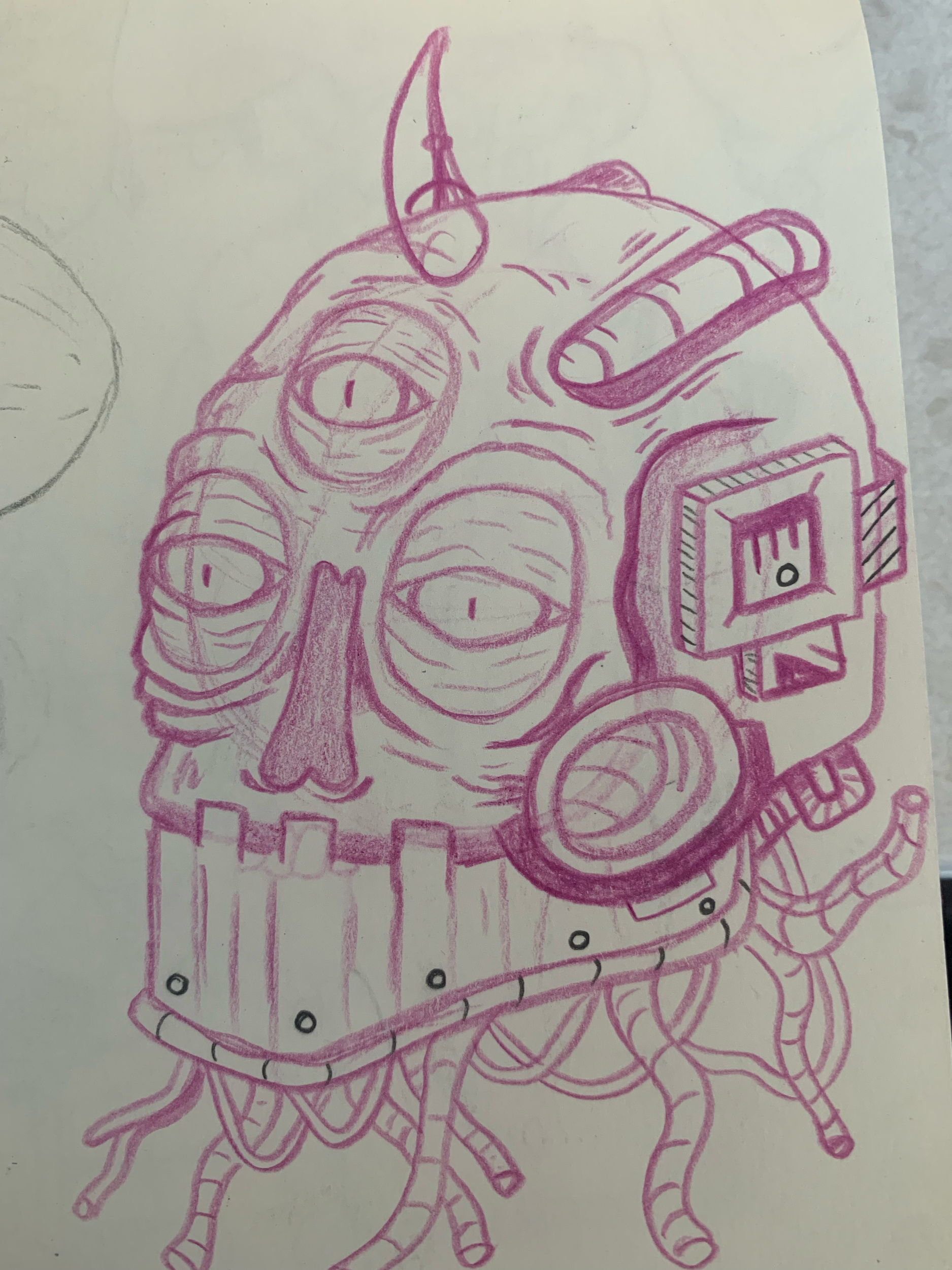
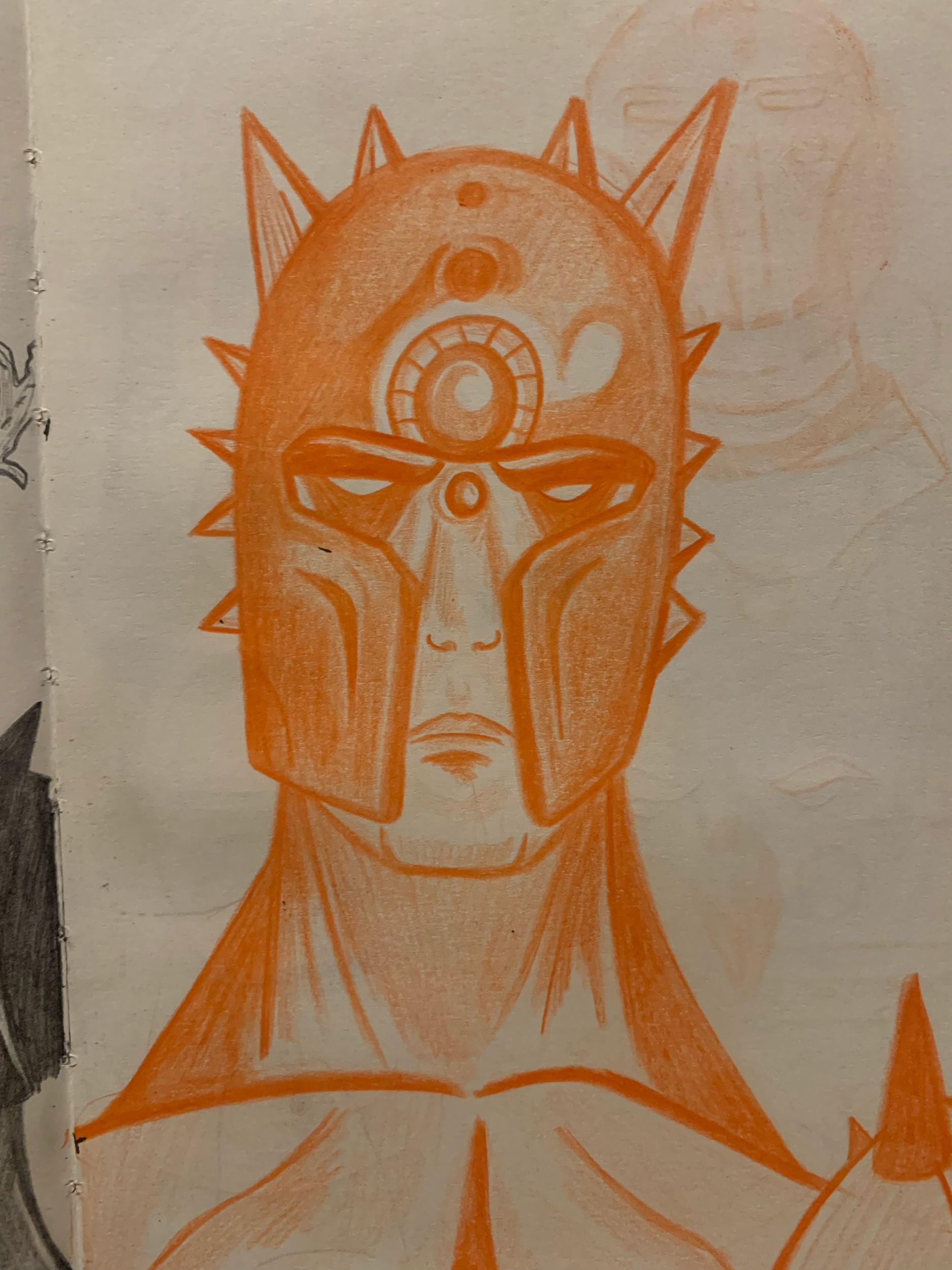
Sketching has always been the starting point for most of my ideas, and I’ve been doodling strange creatures, characters and questionable little monsters since I was a kid. A lot of my sketches start as fairly aimless scribbles before gradually turning into something with a bit more personality. It’s probably the part of the process where I feel most free to experiment, without worrying too much about whether an idea will actually work.
I’ve also never been particularly good at symmetry, which has become something of a happy accident in my work. Rather than trying to force everything into perfect alignment, I tend to lean into it and use unusual morphologies, exaggerated features and strange configurations to disguise the wonkiness. Extra eyes, mismatched limbs, lopsided faces and generally questionable anatomy have become useful tools for turning what might otherwise be an imperfection into part of the character. In many ways, the more fantastical the creature becomes, the less anyone can tell whether the asymmetry was intentional.